
Laowa 6mm f/2 Zero-D MFT
Micro Four Thirds (MFT/M43)
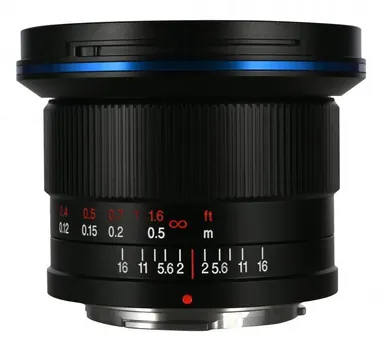
Overview
The Laowa 6mm f/2 Zero-D lens for Micro Four Thirds is a fascinating addition to the lens lineup, particularly for enthusiasts of ultra-wide-angle photography. This lens is noteworthy for its ability to provide almost distortion-free images—hence the "Zero-D" designation—which is a significant advantage for landscape, architecture, and interior photography. At a focal length equivalent to 12mm, this lens opens up a vast vista for creativity.
One of the most appealing aspects of this lens is its fast f/2 aperture. This allows for impressive low-light performance and provides an attractive background blur, which is uncommon in such wide-angle lenses. This means that not only can you capture stunning panoramic landscapes, but you can also use it for more intimate shots that creatively utilize the depth of field. The build quality is robust and feels premium in hand, marking it as a professional-grade piece of equipment.
On the negative side, the lens lacks autofocus, which may be a drawback for some photographers, especially those who value speed and convenience. Manual focusing can take some practice, and the lens does not feature any sort of electronic contacts to aid in exposure calculations. Additionally, because of its ultra-wide nature, users must be mindful of their composition to avoid unwanted elements at the edges of their frame.
Pros and Cons
Pros
- Excellent build quality with a premium feel.
- Fast f/2 aperture for low-light capabilities.
- Nearly distortion-free images, ideal for architectural and landscape photography.
- Compact and lightweight design, making it highly portable.
Cons
- Lacks autofocus; manual focus only.
- Requires careful composing to avoid distracting elements in the corners.
- No electronic contacts for automatic exposure settings.
Verdict
Overall, the Laowa 6mm f/2 Zero-D MFT lens is an outstanding choice for photographers looking to delve into the realm of ultra-wide shots without compromising on quality. Its build and optical performance make it a robust companion for both hobbyists and serious professionals who appreciate manual control. However, potential buyers should be ready to embrace the challenges of manual focus and frame composition. If you’re comfortable with its limitations, this lens can be a game-changer for your photography arsenal, offering unique perspectives that few other lenses can provide in the Micro Four Thirds system.
Technical Specifications
Which cameras does the Laowa 6mm f/2 Zero-D MFT fit?
The Laowa 6mm f/2 Zero-D MFT fits all Micro Four Thirds cameras. There its field of view equals 12 mm in full-frame terms (crop factor 2).
Micro Four Thirds cameras
- Micro Four Thirds:
- OM System PEN, OM System OM-3, OM System OM-5 Mark II, Panasonic Lumix G97 (G99M2), Panasonic Lumix GH7, OM System OM-1 Mark II, Panasonic Lumix G9 II, Panasonic Lumix G100D, OM System OM-5, OM System OM-1, Panasonic Lumix GH6, Panasonic Lumix GH5 II, Olympus PEN E-P7, Olympus OM-D E-M10 Mark IV, Olympus OM-D E-M1 Mark III, Panasonic Lumix G100 (G110), Panasonic Lumix BGH1, Olympus PEN E-PL10, Olympus OM-D E-M5 Mark III, Panasonic Lumix G95 (G90, G91), Olympus OM-D E-M1X, Panasonic Lumix GX9, Panasonic Lumix GF10 (GF90, GX880), Olympus PEN E-PL9, Panasonic Lumix GH5S, Blackmagic Pocket Cinema Camera 4K, Panasonic Lumix G9, Olympus OM-D E-M10 Mark III, Panasonic Lumix GF9 (GX850, GX800), Panasonic Lumix GH5, Olympus PEN E-PL8, Olympus OM-D E-M1 Mark II, Panasonic Lumix G85 (G80, G81), Panasonic Lumix GX85 (GX80, GX7 Mark II), Olympus PEN-F, Olympus OM-D E-M10 Mark II, Panasonic Lumix GX8, Panasonic Lumix G7, Panasonic Lumix GF7, Olympus OM-D E-M5 Mark II, Panasonic Lumix GM5, Olympus PEN E-PL7, Panasonic Lumix GH4, Olympus OM-D E-M10, Panasonic Lumix GM1, Olympus OM-D E-M1, Panasonic Lumix GX7, Olympus PEN E-PL6, Olympus PEN E-P5, Panasonic Lumix G6, Panasonic Lumix GF6, Blackmagic Pocket Cinema Camera, Olympus PEN E-PM2, Olympus PEN E-PL5, Panasonic Lumix GH3, Panasonic Lumix G5, Panasonic Lumix GF5, Olympus OM-D E-M5, Blackmagic Cinema Camera (MFT)
Laowa 6mm f/2 Zero-D MFT compared
Key specs side by side with the most similar Micro Four Thirds lenses.
| Lens | Laowa 6mm f/2 Zero-D MFT | TTArtisan 7.5mm f/2 Fisheye | Venus Laowa 7.5mm F2 MFT | 7artisans 7.5mm F2.8 Fisheye |
|---|---|---|---|---|
| Focal length | 6 mm | 7.5 mm | 7.5 mm | 7.5 mm |
| Max. aperture | f/2 | f/2 | f/2 | f/2.8 |
| Weight | 188 g | 370 g | 170 g | 275 g |
| Filter diameter | 58 mm | – | – | – |
| Min. focus distance | 9 cm | 13 cm | 12 cm | 15 cm |
| Length | 52 mm | 57 mm | 55 mm | 63 mm |
| Autofocus | no | no | no | no |
| Image stabilization | no | no | no | no |
Laowa 6mm f/2 Zero-D MFT: FAQ
Does the Laowa 6mm f/2 Zero-D MFT have autofocus?
No, the Laowa 6mm f/2 Zero-D MFT has no autofocus; you focus it manually.
Does the Laowa 6mm f/2 Zero-D MFT have image stabilization?
No, the Laowa 6mm f/2 Zero-D MFT has no stabilization of its own. On cameras with in-body image stabilization (IBIS) the image is still stabilized.
How much does the Laowa 6mm f/2 Zero-D MFT weigh?
The Laowa 6mm f/2 Zero-D MFT weighs 188 g. It is 52 mm long with a diameter of 61 mm.
What filter size does the Laowa 6mm f/2 Zero-D MFT use?
The Laowa 6mm f/2 Zero-D MFT takes 58 mm screw-in filters.
How close can the Laowa 6mm f/2 Zero-D MFT focus?
The minimum focus distance of the Laowa 6mm f/2 Zero-D MFT is 9 cm, measured from the sensor plane.
Similar lenses
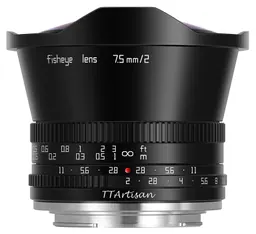
TTArtisan 7.5mm f/2 Fisheye
7.5mm · f/2
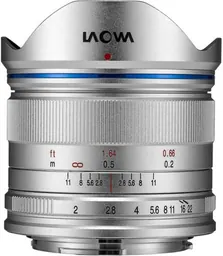
Venus Laowa 7.5mm F2 MFT
7.5mm · f/2
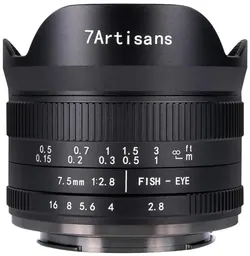
7artisans 7.5mm F2.8 Fisheye
7.5mm · f/2.8
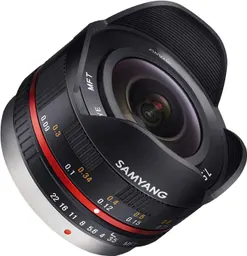
Samyang / Rokinon 7.5mm F3.5 UMC Fisheye MFT
7.5mm · f/3.5
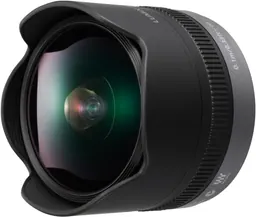
Panasonic Lumix G Fisheye 8mm F3.5
8mm · f/3.5
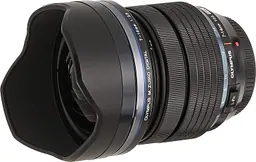
Olympus M.Zuiko Digital ED 7-14mm F2.8 PRO
7-14mm · f/2.8
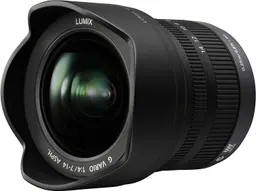
Panasonic Lumix G Vario 7-14mm F4 ASPH
7-14mm · f/4
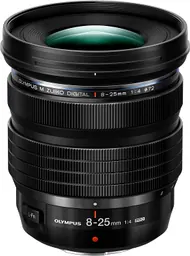
Olympus M.Zuiko Digital ED 8-25mm F4 Pro
8-25mm · f/4
Related guides
What does the f mean in camera lenses?
When it comes to photography, understanding the basics of f-stop is essential. F-stop is a critical component of a camera lens that…
How to clean a camera lens
Keeping your camera lenses clean is essential for getting clear, sharp, and high-quality images. Even the smallest speck of dust, dirt, or…
All camera lens types explained: Uses and functions
In this article, we'll explore the various types of camera lenses, their defining features, and when to use them. We'll also cover the…