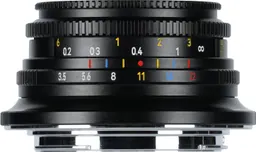
7Artisans 10mm F3.5
- Focal length
- 10 mm
- Aperture
- f/3.5
- Weight
- –
- Filter diameter
- 37 mm
- Diameter
- 59 mm
- min. focus dist.
- 20 cm

Browse Nikon Z mount lenses for full frame (FX) and APS-C (DX) mirrorless cameras, from the DX Z50 and Zfc to the FX Z6 and Z8. The list covers Nikkor lenses as well as Viltrox, Venus Optics, AstrHori and TTArtisan. Filter by focal length, aperture, autofocus, image stabilization or weight to compare lenses.
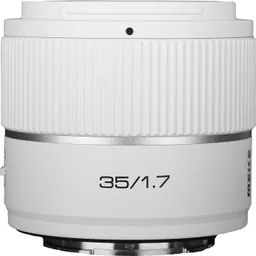 Meike AF 35mm F1.7 Air Nov 2026
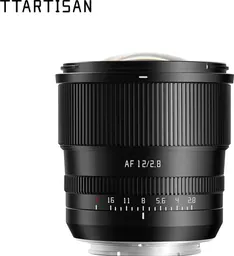 TTArtisan AF 12mm f/2.8 ASPH. Nov 2026
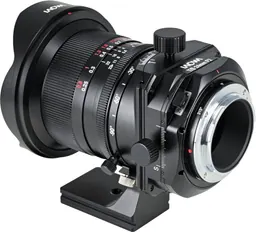 Venus Laowa 24mm F2 Zero-D Tilt-Shift Nov 2026
 Voigtländer Nokton 35mm f/1.2 Aspherical Nov 2026
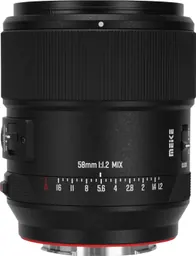 Meike AF 58mm f1.2 MIX Oct 2026
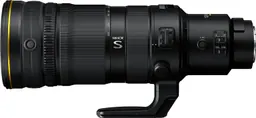 Nikon Nikkor Z 120-300mm F2.8 TC VR S Oct 2026
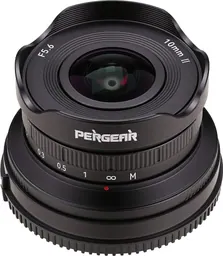 Pergear 10mm F5.6 II Fisheye Oct 2026
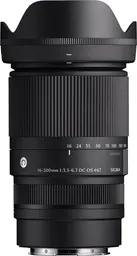 Sigma 16-300mm F3.5-6.7 DC OS Contemporary Oct 2026
333 results
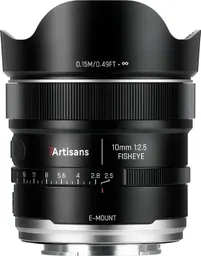
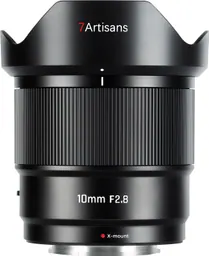
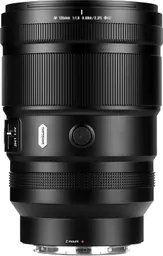
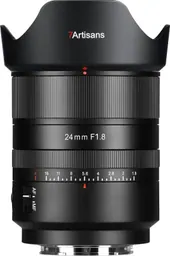
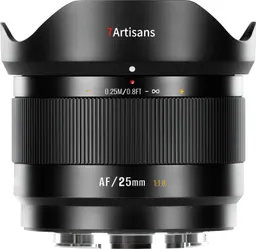
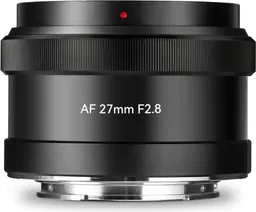
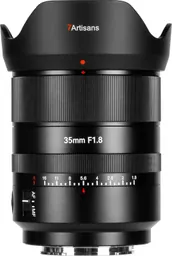
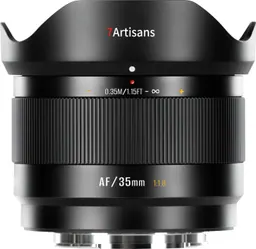
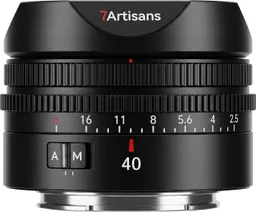
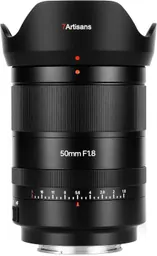
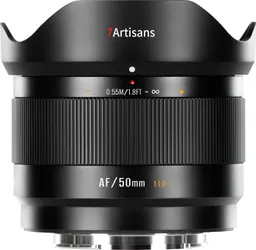
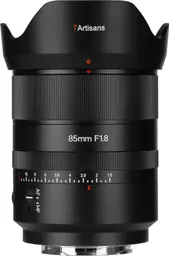
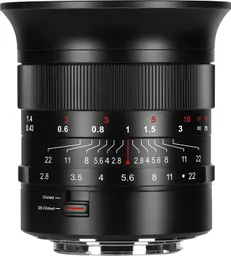
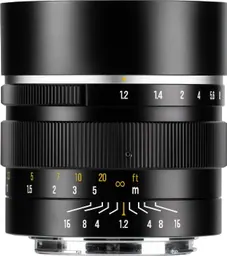
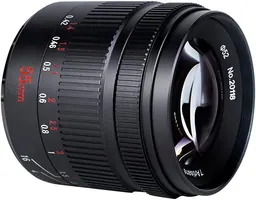
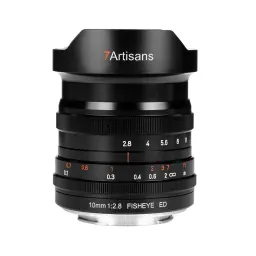
Is a lens missing? Suggest a lens
The f in f/2.8 is the f-number: focal length divided by aperture diameter. Learn why lower means more light and how the f-stop scale works.
How to clean a camera lens: blow off dust, then wipe gently with a microfiber cloth or lens paper. Steps and warnings from Canon, Nikon…
Types of camera lenses explained: wide-angle, standard, telephoto, prime, zoom, macro and more, with focal length ranges and typical uses.
According to Nikon, there is no functional difference, the two adapters are identical. The FTZ II dropped the tripod foot, which makes it work better with battery grips and wider tripod plates, and the original FTZ is discontinued. Both connect F-mount lenses to Z cameras, with autofocus for AF-S, AF-P and AF-I lenses.
Yes, but autofocus is not available from every maker. Nikon says it works with officially licensed partners, and Tamron and Sigma sell Z-mount lenses with autofocus. Other brands often offer manual-focus lenses, and the availability of autofocus lenses without a Nikon license can change.
Yes, on full-frame (FX) Z cameras, DX lenses are cropped to the DX area (1.5x crop factor), so resolution drops accordingly. Conversely, FX lenses work on DX cameras without restrictions, with the field of view narrowed by 1.5x.
The Z mount (2018) belongs to Nikon's mirrorless cameras and has a 55 mm throat diameter and a 16 mm flange distance, while the F mount (1959) has 44 mm and 46.5 mm. Z also has 11 electrical contacts instead of 8. F lenses work on Z cameras via the FTZ II, but Z lenses cannot be used on F-mount cameras.
No. The Z flange distance of 16 mm is shorter than that of Sony E (18 mm), Fujifilm X (17.7 mm), Canon RF (20 mm) and the other mirrorless mounts, so no adapter can place a Z lens at the right distance from the sensor.