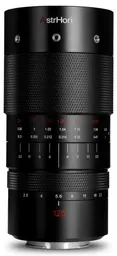
AstrHori 120mm f/2.8 2X Macro
- Focal length
- 120 mm
- Aperture
- f/2.8
- Weight
- 930 g
- Filter diameter
- 72 mm
- Diameter
- 77 mm
- min. focus dist.
- 30 cm

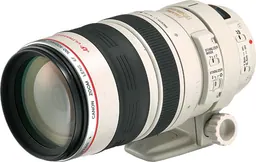
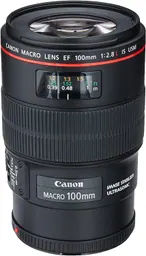
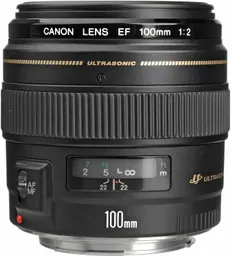
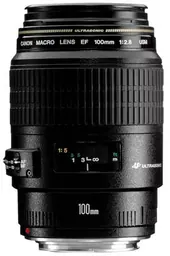
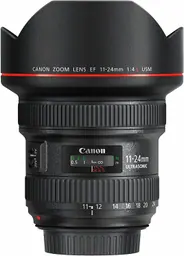
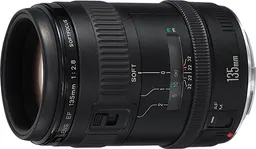
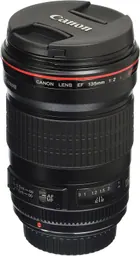
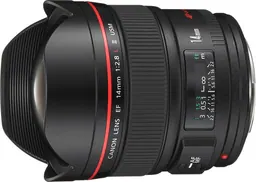
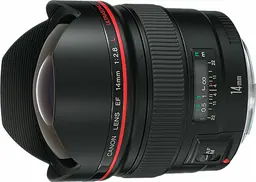
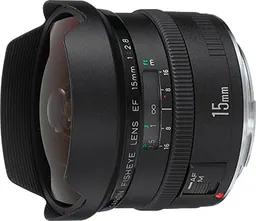
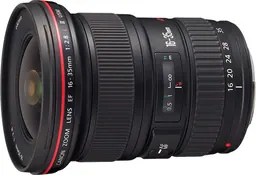
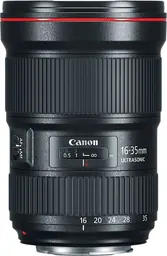
Browse Canon EF lenses for EOS DSLR cameras, plus EF-S lenses made for APS-C bodies such as the EOS 90D and Rebel series. The list includes Canon, Sigma, Tamron, Zeiss, Samyang and Tokina lenses, and EF lenses also work on EOS R cameras with an adapter. Filter by focal length, aperture, autofocus, stabilization or weight.
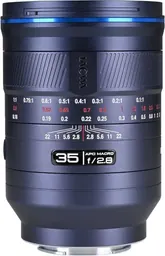 Venus Laowa Acris 35mm F2.8 1X Macro APO Sep 2026
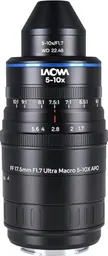 Venus Laowa Aksen 17.5mm F1.7 5-10X Ultra Macro APO Jul 2026
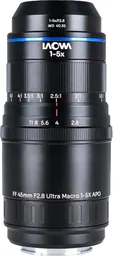 Venus Laowa Aksen 45mm F2.8 1-5X Ultra Macro APO Jul 2026
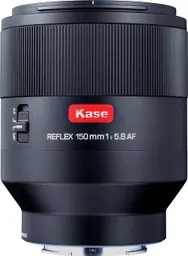 Kase AF 150mm F5.6 Reflex Mar 2026
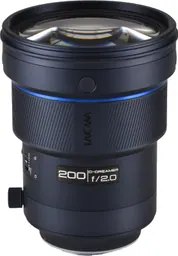 Venus Laowa 200mm F2 AF FF Oct 2025
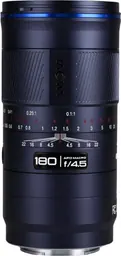 Venus Laowa 180mm F4.5 1.5X Ultra Macro APO Sep 2025
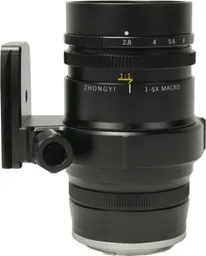 Mitakon Zhongyi 55mm f/2.8 1-5X Macro Aug 2025
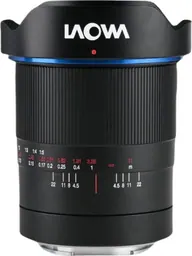 Venus Laowa 15mm F4.5 0.5X Wide Angle Macro May 2025
363 results


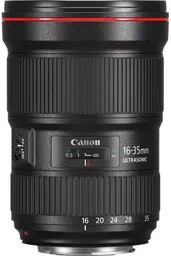
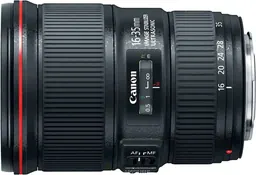
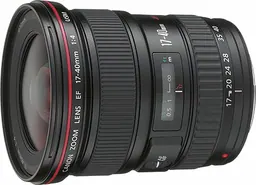
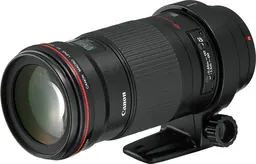
Is a lens missing? Suggest a lens
The f in f/2.8 is the f-number: focal length divided by aperture diameter. Learn why lower means more light and how the f-stop scale works.
How to clean a camera lens: blow off dust, then wipe gently with a microfiber cloth or lens paper. Steps and warnings from Canon, Nikon…
Types of camera lenses explained: wide-angle, standard, telephoto, prime, zoom, macro and more, with focal length ranges and typical uses.
Yes. Canon's Mount Adapter EF-EOS R fits EF and EF-S lenses to EOS R cameras, and the Mount Adapter EF-EOS M fits them to EOS M cameras. According to Canon, both offer full compatibility, including autofocus. On APS-C bodies the lens gets a 1.6x crop factor, and EF-S lenses are cropped to the APS-C area on a full-frame EOS R.
Mostly yes, because the EF flange distance of 44 mm is longer than that of every mirrorless mount, so an adapter always fits. Simple adapters without electronics give up autofocus and aperture control. For those you need active adapters such as the Sigma MC-11 (Sony E), Metabones, Viltrox or Fringer, and results depend on adapter, lens and camera.
EF lenses are designed for full-frame sensors, while EF-S lenses are designed only for Canon's APS-C DSLRs. Canon lists EF-S lenses as not compatible with full-frame EOS DSLRs, whereas EF lenses fit every EOS DSLR. On an APS-C camera an EF lens has a 1.6x crop factor.
Canon no longer develops it: the last new EF lens design came out in 2018, and Canon's focus has shifted to the RF mount. Canon has since discontinued many EF lenses. Existing EF lenses keep working, directly on EF DSLRs and via Canon's adapters on EOS R and EOS M cameras.
It is 44 mm, with an inner diameter of 54 mm. Canon introduced the EF mount in 1987 as the successor to the FD mount, and unlike FD all communication between camera and lens runs electronically through 8 contacts. Because the RF mount has only a 20 mm flange distance, you need an adapter on mirrorless Canon cameras.

