
AstrHori 12mm f/2.8 Fisheye
Leica L-Mount
Overview
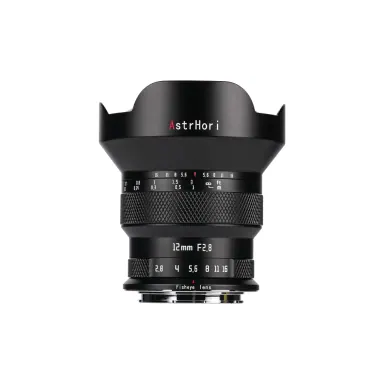
The AstrHori 12mm f/2.8 Fisheye lens for the Leica L mount is an exciting addition for those looking to explore the world of wide-angle photography. With its ultra-wide focal length and a distinctive fisheye effect, this lens opens up a multitude of creative possibilities for both landscapes and architectural shots. Let’s delve into the key features of this lens, along with its strengths and weaknesses.
Design and Build Quality
The build quality of the AstrHori 12mm f/2.8 is impressive for its price point. The lens features a robust metal construction that feels durable yet lightweight, making it easier to handle during long shooting sessions. Its compact design, combined with a relatively small size, makes it ideal for travel and outdoor photography. Additionally, the smooth focus ring provides a satisfying tactile feel, enhancing the overall shooting experience.
Optical Performance
In terms of optical performance, this fisheye lens is capable of delivering strikingly sharp images across the frame. At f/2.8, it does exceptionally well for low-light situations while maintaining detail. The lens's distortion is inherent due to its fisheye nature, providing a unique, spherical perspective perfect for creative endeavors. Even when shooting at wide-open apertures, the images retain a good level of sharpness, although some vignetting may be observed in the corners.
Usability and Autofocus
One aspect to note is that the AstrHori 12mm f/2.8 is a manual focus lens, which can be a pro or con depending on the preference of the photographer. Manual focusing allows for precise adjustments, particularly in creative shooting scenarios, but may pose a challenge for those who rely heavily on autofocus. As with most fisheye lenses, getting the right focus requires some practice, especially in dynamic environments.
Light and Handling
The lens has a minimum focus distance of 0.18m, allowing for interesting close-up shots that amplify the bulging perspective common in fisheye photography. However, given its ultra-wide nature, care must be taken with composition to avoid distortion that may detract from your subject.
Pros and Cons
Pros
- Excellent build quality with a durable metal construction
- Striking sharpness and good performance at f/2.8
- Unique perspective ideal for creative photography
- Compact and lightweight design, great for travel
- Close minimum focus distance for interesting compositions
Cons
- Manual focus may be off-putting for some users
- Potential for vignetting in the corners
- Distortion inherent to fisheye lenses may not appeal to all photographers
Verdict
The AstrHori 12mm f/2.8 Fisheye lens for Leica L mount is a compelling choice for photographers looking to explore the creative possibilities of the fisheye perspective. Its solid build, impressive optical performance, and compact design make it a fantastic option for those who appreciate a hands-on approach to focusing. However, the manual focus nature may limit its appeal to photographers who prefer the convenience of autofocus. Overall, if you’re willing to embrace the quirks of fisheye photography, this lens is bound to enhance your creative journey.
Technical Specifications
Which cameras does the AstrHori 12mm f/2.8 Fisheye fit?
The AstrHori 12mm f/2.8 Fisheye is a full-frame lens for L-Mount cameras. On full-frame bodies it uses the whole sensor; on APS-C L-Mount cameras its field of view equals 18 mm in full-frame terms.
L-Mount cameras
- Full frame:
- Leica SL3-P, Leica SL3-S, Sigma BF, Panasonic Lumix S1II, Panasonic Lumix S1IIE, Panasonic Lumix S1RII, Leica SL3, Panasonic Lumix S9, Blackmagic PYXIS 6K, Panasonic Lumix S5II, Panasonic Lumix S5IIX, Blackmagic Cinema Camera 6K, Panasonic Lumix BS1H, Leica SL2-S, Panasonic Lumix S5, Sigma fp L, Leica SL2, Panasonic Lumix S1, Panasonic Lumix S1R, Panasonic Lumix S1H, Sigma fp, Leica SL (Typ 601)
- APS-C:
- Leica CL, Leica TL2, Leica TL, Leica T (Typ 701)
AstrHori 12mm f/2.8 Fisheye compared
Key specs side by side with the most similar L-Mount lenses.
| Lens | AstrHori 12mm f/2.8 Fisheye | Venus Laowa 12mm F2.8 Zero-D | TTArtisan 11mm f/2.8 | Artra Lab Latalumen 14mm f/2.8 V2 |
|---|---|---|---|---|
| Focal length | 12 mm | 12 mm | 11 mm | 14 mm |
| Max. aperture | f/2.8 | f/2.8 | f/2.8 | f/2.8 |
| Weight | 758 g | 609 g | 436 g | 547 g |
| Filter diameter | – | – | – | 82 mm |
| Min. focus distance | 20 cm | 18 cm | 17 cm | 22 cm |
| Length | 100 mm | 83 mm | 87 mm | 78 mm |
| Autofocus | no | no | no | no |
| Image stabilization | no | no | no | no |
This lens is also available for
AstrHori 12mm f/2.8 Fisheye: FAQ
Does the AstrHori 12mm f/2.8 Fisheye have autofocus?
No, the AstrHori 12mm f/2.8 Fisheye has no autofocus; you focus it manually.
Does the AstrHori 12mm f/2.8 Fisheye have image stabilization?
No, the AstrHori 12mm f/2.8 Fisheye has no stabilization of its own. On cameras with in-body image stabilization (IBIS) the image is still stabilized.
How much does the AstrHori 12mm f/2.8 Fisheye weigh?
The AstrHori 12mm f/2.8 Fisheye weighs 758 g. It is 100 mm long with a diameter of 90 mm.
How close can the AstrHori 12mm f/2.8 Fisheye focus?
The minimum focus distance of the AstrHori 12mm f/2.8 Fisheye is 20 cm, measured from the sensor plane.
Is the AstrHori 12mm f/2.8 Fisheye a full-frame lens?
Yes, the AstrHori 12mm f/2.8 Fisheye covers full frame. On APS-C cameras its field of view equals 18 mm in full-frame terms.
Similar lenses
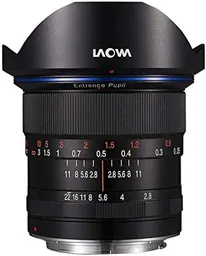
Venus Laowa 12mm F2.8 Zero-D
12mm · f/2.8
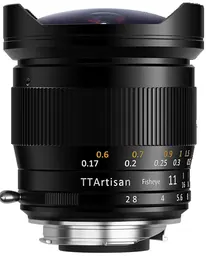
TTArtisan 11mm f/2.8
11mm · f/2.8

Artra Lab Latalumen 14mm f/2.8 V2
14mm · f/2.8
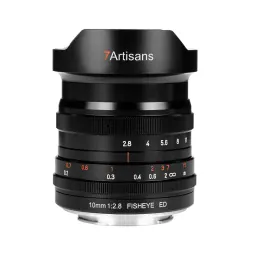
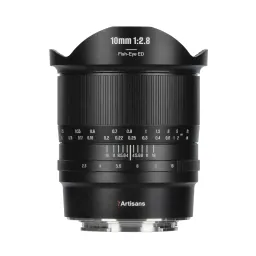
7artisans Photoelectric 10mm f/2.8 Fisheye
10mm · f/2.8
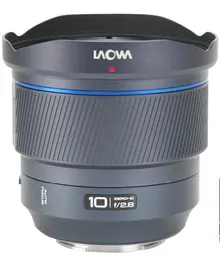
7artisans Photoelectric 10mm f/2.8 Mark II
10mm · f/2.8
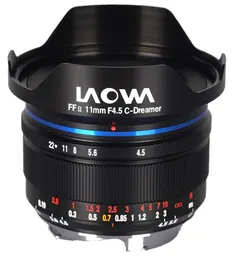
Venus Laowa 10mm f/2.8 Zero-D FF
10mm · f/2.8
Venus Laowa 11mm f/4.5 FF RL
11mm · f/4.5
Venus Laowa 14mm F4 FF RL Zero-D
14mm · f/4
Related guides
What Is a Fisheye Lens? Types, Field of View, Uses
A fisheye lens sees about 180° and bends straight lines. Learn circular vs. diagonal fisheyes, field of view by sensor size, uses and what…
What does the f mean in camera lenses?
When it comes to photography, understanding the basics of f-stop is essential. F-stop is a critical component of a camera lens that…
How to clean a camera lens
Keeping your camera lenses clean is essential for getting clear, sharp, and high-quality images. Even the smallest speck of dust, dirt, or…