
Nikon AF DX Fisheye-Nikkor 10.5mm f/2.8G ED
Nikon F (DX/FX)
Overview
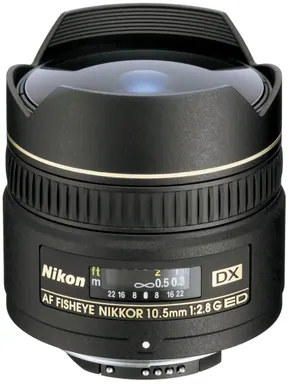
The Nikon AF DX Fisheye-Nikkor 10.5mm f/2.8G ED is a unique lens that offers an exciting perspective for those looking to explore the world of fisheye photography. Designed specifically for Nikon's DX-format DSLRs, this lens delivers impressive results with its wide field of view, allowing photographers to capture expansive scenes and creative compositions.
One of the standout features of this lens is its remarkable 180-degree angle of view, which creates a distinct and often exaggerated perspective. This can be especially effective in landscape photography, as it enables you to include more of the environment in your framing while accentuating the foreground elements. The f/2.8 maximum aperture is another advantage, providing excellent low-light performance and the ability to achieve a shallow depth of field, which is not typical in fisheye lenses.
The build quality of the Nikon AF DX Fisheye-Nikkor 10.5mm is solid, featuring a durable construction that feels reliable in hand. The lens is also relatively compact and lightweight, making it easier to carry around for extended shooting sessions. Its close focusing capability allows you to get up close to your subjects, which opens up a myriad of creative possibilities, such as capturing unique and dynamic portraits or interesting abstract shots.
However, there are some considerations to bear in mind. The distortion created by the fisheye nature of the lens can be quite pronounced. While this distortion is often a desired effect in fisheye photography, it may not be suitable for all genres or styles. In some cases, achieving straight lines or natural proportions can be challenging. Furthermore, the lens lacks image stabilization, so it requires careful handling to avoid motion blur, particularly in low-light conditions.
Pros and Cons
Pros
- 180-degree angle of view for expansive perspectives
- Fast f/2.8 aperture allowing for low-light shooting
- Solid build quality with a compact and lightweight design
- Close focusing capability for creative shots
Cons
- Strong distortion that may not be suitable for all types of photography
- No image stabilization, requiring steady handling to avoid shake
Verdict
In conclusion, the Nikon AF DX Fisheye-Nikkor 10.5mm f/2.8G ED is a fantastic lens for photographers seeking to delve into the creative possibilities of fisheye photography. Its imaginative composition potential and solid performance make it a valuable addition to a Nikon DX-format DSLR kit. However, shooters should be prepared to embrace its signature distortion and consider their shooting style to truly benefit from what this lens has to offer. Whether you're a landscape enthusiast or looking to experiment with unique artistic imagery, this lens can certainly help you see the world in a different light.
Technical Specifications
Which cameras does the Nikon AF DX Fisheye-Nikkor 10.5mm f/2.8G ED fit?
The Nikon AF DX Fisheye-Nikkor 10.5mm f/2.8G ED is designed for APS-C sensors. On APS-C Nikon F-Mount cameras its field of view equals 16 mm in full-frame terms. Full-frame bodies use it in APS-C (crop) mode, recording only part of the sensor and fewer megapixels.
Nikon F-Mount cameras
- Full frame (in APS-C mode):
- Nikon D6, Nikon D780, Nikon D850, Nikon D5, Nikon D810A, Nikon D4S, Nikon D810, Nikon D750, Nikon Df, Nikon D610, Nikon D4, Nikon D800, Nikon D800E, Nikon D600, Nikon D3S, Nikon D3X, Nikon D700
- APS-C:
- Nikon D3500, Nikon D7500, Nikon D500, Nikon D3400, Nikon D5600, Nikon D5500, Nikon D7200, Nikon D3300, Nikon D7100, Nikon D5300, Nikon D3200, Nikon D5200, Nikon D5100, Nikon D7000, Nikon D3100, Nikon D300S, Nikon D5000, Nikon D3000, Nikon D90, Nikon D60
With the Nikon FTZ II / FTZ the lens can also be used on Nikon Z (DX/FX) cameras.
Nikon AF DX Fisheye-Nikkor 10.5mm f/2.8G ED compared
Key specs side by side with the most similar Nikon F-Mount lenses.
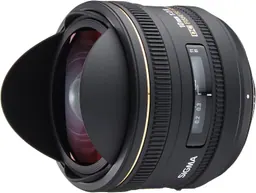
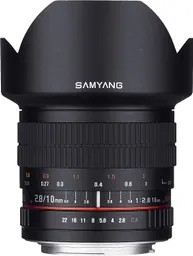
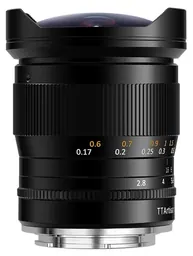
| Lens | Nikon AF DX Fisheye-Nikkor 10.5mm f/2.8G ED | Sigma 10mm F2.8 EX DC HSM Diagonal Fisheye | Samyang / Rokinon 10mm F2.8 ED AS NCS CS | TTArtisan 11mm f/2.8 |
|---|---|---|---|---|
| Focal length | 10.5 mm | 10 mm | 10 mm | 11 mm |
| Max. aperture | f/2.8 | f/2.8 | f/2.8 | f/2.8 |
| Weight | 300 g | 475 g | 580 g | 436 g |
| Filter diameter | – | – | – | – |
| Min. focus distance | 14 cm | 14 cm | 25 cm | 17 cm |
| Length | 63 mm | 83 mm | 77 mm | 87 mm |
| Autofocus | yes | yes | no | no |
| Image stabilization | no | no | no | no |
Nikon AF DX Fisheye-Nikkor 10.5mm f/2.8G ED: FAQ
Does the Nikon AF DX Fisheye-Nikkor 10.5mm f/2.8G ED have autofocus?
Yes, the Nikon AF DX Fisheye-Nikkor 10.5mm f/2.8G ED has autofocus.
Does the Nikon AF DX Fisheye-Nikkor 10.5mm f/2.8G ED have image stabilization?
No, the Nikon AF DX Fisheye-Nikkor 10.5mm f/2.8G ED has no stabilization of its own. On cameras with in-body image stabilization (IBIS) the image is still stabilized.
How much does the Nikon AF DX Fisheye-Nikkor 10.5mm f/2.8G ED weigh?
The Nikon AF DX Fisheye-Nikkor 10.5mm f/2.8G ED weighs 300 g. It is 63 mm long with a diameter of 63 mm.
How close can the Nikon AF DX Fisheye-Nikkor 10.5mm f/2.8G ED focus?
The minimum focus distance of the Nikon AF DX Fisheye-Nikkor 10.5mm f/2.8G ED is 14 cm, measured from the sensor plane.
Is the Nikon AF DX Fisheye-Nikkor 10.5mm f/2.8G ED a full-frame lens?
No, the Nikon AF DX Fisheye-Nikkor 10.5mm f/2.8G ED is an APS-C lens. On APS-C cameras its field of view equals 16 mm in full-frame terms.
Similar lenses
Sigma 10mm F2.8 EX DC HSM Diagonal Fisheye
10mm · f/2.8
Samyang / Rokinon 10mm F2.8 ED AS NCS CS
10mm · f/2.8
TTArtisan 11mm f/2.8
11mm · f/2.8
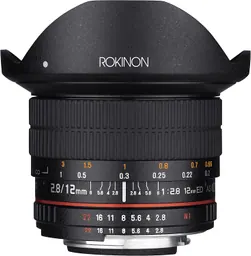
Samyang / Rokinon 12mm F2.8 ED AS NCS Fisheye
12mm · f/2.8
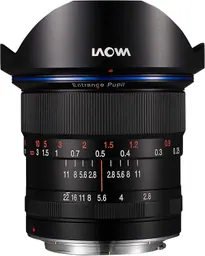
Venus Laowa 12mm F2.8 Zero-D
12mm · f/2.8
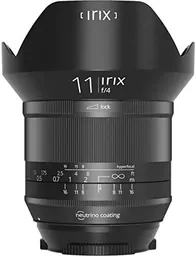
Irix 11mm F4
11mm · f/4
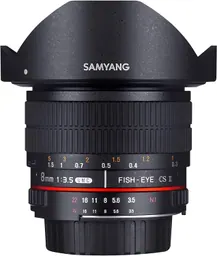
Samyang / Rokinon 8mm F3.5 Aspherical IF UMC CS II Fisheye
8mm · f/3.5
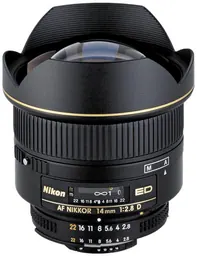
Nikon AF Nikkor 14mm f/2.8D ED
14mm · f/2.8
Related guides
What Is a Fisheye Lens? Types, Field of View, Uses
A fisheye lens sees about 180° and bends straight lines. Learn circular vs. diagonal fisheyes, field of view by sensor size, uses and what…
What does the f mean in camera lenses?
When it comes to photography, understanding the basics of f-stop is essential. F-stop is a critical component of a camera lens that…
How to clean a camera lens
Keeping your camera lenses clean is essential for getting clear, sharp, and high-quality images. Even the smallest speck of dust, dirt, or…