
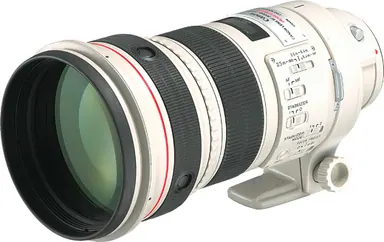
Canon EF 300mm f/2.8L IS USM
Canon EF
Overview
The Canon EF 300mm f/2.8L IS USM is a powerhouse in the field of telephoto lenses, designed for professional photographers who require both exceptional image quality and reliable performance. Part of Canon's prestigious L-series, this lens embodies the brand's commitment to top-tier optics, making it ideal for wildlife, sports, and portraiture.
One of the standout features of this lens is its remarkable sharpness. Even at the wide-open aperture of f/2.8, images come out tack sharp with excellent contrast. This is especially valuable in fast-paced situations where every bit of detail counts. The lens also boasts Canon's Image Stabilization (IS) technology, which allows for clearer shots during handheld shooting, reducing the likelihood of motion blur and enabling photographers to capture crisp images even in challenging conditions.
Constructed with high-quality materials, the lens is both durable and weather-sealed, protecting it from moisture and dust. This makes it suitable for outdoor shooting in various environments. Additionally, the fast autofocus system ensures quick and precise focusing, which is essential for tracking moving subjects like athletes or wildlife.
However, the Canon EF 300mm f/2.8L IS USM is not without its drawbacks. One major consideration is the size and weight of this lens. Weighing in at around 3.5 kg (7.7 lbs), it can be cumbersome for extended periods of shooting without support. Photographers may find themselves needing a sturdy tripod or monopod to mitigate fatigue during long shoots. Furthermore, the price point is steep, making this an investment that not all photographers may be willing or able to make.
Pros and Cons
Pros
- Exceptional sharpness and image quality, even at f/2.8
- Effective Image Stabilization for handheld shooting
- Durable, weather-sealed construction
- Fast and accurate autofocus system
Cons
- Heavy and bulky design may require a tripod
- High price point limits accessibility for some photographers
Verdict
In conclusion, the Canon EF 300mm f/2.8L IS USM is a top-tier lens that delivers outstanding performance in a variety of shooting situations. Its sharpness, build quality, and advanced features make it a favorite among professional photographers. However, potential buyers should weigh the lens's weight and cost against their needs. If you're looking for a reliable, high-performance telephoto lens and can handle the investment, this Canon gem will not disappoint.
Technical Specifications
Which cameras does the Canon EF 300mm f/2.8L IS USM fit?
The Canon EF 300mm f/2.8L IS USM is a full-frame lens for Canon EF cameras. On full-frame bodies it uses the whole sensor; on APS-C Canon EF cameras its field of view equals 480 mm in full-frame terms.
Canon EF cameras
- Full frame:
- Canon EOS-1D X Mark III, Canon EOS 6D Mark II, Canon EOS-1D X Mark II, Canon EOS 5D Mark IV, Canon EOS 5Ds, Canon EOS 5Ds R, Canon EOS 5D Mark III, Canon EOS 6D, Canon EOS-1D C, Canon EOS-1D X, Canon EOS 5D Mark II
- APS-C:
- Canon EOS 850D (Rebel T8i), Canon EOS 90D, Canon EOS 250D (Rebel SL3), Canon EOS 4000D (3000D, Rebel T100), Canon EOS 2000D (1500D, Rebel T7), Canon EOS 800D (Rebel T7i), Canon EOS 77D, Canon EOS 200D (Rebel SL2), Canon EOS 80D, Canon EOS 1300D (Rebel T6), Canon EOS 750D (Rebel T6i), Canon EOS 760D (Rebel T6s), Canon EOS 7D Mark II, Canon EOS 1200D (Rebel T5), Canon EOS 70D, Canon EOS 700D (Rebel T5i), Canon EOS 100D (Rebel SL1), Canon EOS 650D (Rebel T4i), Canon EOS 60Da, Canon EOS 600D (Rebel T3i), Canon EOS 1100D (Rebel T3), Canon EOS 550D (Rebel T2i), Canon EOS 60D, Canon EOS 7D, Canon EOS 500D (Rebel T1i), Canon EOS 50D, Canon EOS 450D (Rebel XSi), Canon EOS 1000D (Rebel XS)
With the Canon Mount Adapter EF-EOS R the lens can also be used on Canon RF cameras.
With the Canon Mount Adapter EF-EOS M the lens can also be used on Canon EF-M cameras.
Canon EF 300mm f/2.8L IS USM compared
Key specs side by side with the most similar Canon EF lenses.
| Lens | Canon EF 300mm f/2.8L IS USM | Canon EF 300mm f/2.8L IS II USM | Sigma 300mm F2.8 APO EX DG HSM | Canon EF 300mm f/4.0L IS USM |
|---|---|---|---|---|
| Focal length | 300 mm | 300 mm | 300 mm | 300 mm |
| Max. aperture | f/2.8 | f/2.8 | f/2.8 | f/4 |
| Weight | 2,550 g | 2,400 g | 2,400 g | 1,190 g |
| Filter diameter | 52 mm | 52 mm | 46 mm | 77 mm |
| Min. focus distance | 250 cm | 200 cm | 250 cm | 150 cm |
| Length | 252 mm | 249 mm | 215 mm | 221 mm |
| Autofocus | yes | yes | yes | yes |
| Image stabilization | yes | yes | no | yes |
Canon EF 300mm f/2.8L IS USM: FAQ
Does the Canon EF 300mm f/2.8L IS USM have autofocus?
Yes, the Canon EF 300mm f/2.8L IS USM has autofocus.
Does the Canon EF 300mm f/2.8L IS USM have image stabilization?
Yes, the Canon EF 300mm f/2.8L IS USM has optical image stabilization.
How much does the Canon EF 300mm f/2.8L IS USM weigh?
The Canon EF 300mm f/2.8L IS USM weighs 2,550 g. It is 252 mm long with a diameter of 128 mm.
What filter size does the Canon EF 300mm f/2.8L IS USM use?
The Canon EF 300mm f/2.8L IS USM takes 52 mm screw-in filters.
How close can the Canon EF 300mm f/2.8L IS USM focus?
The minimum focus distance of the Canon EF 300mm f/2.8L IS USM is 250 cm, measured from the sensor plane.
Is the Canon EF 300mm f/2.8L IS USM a full-frame lens?
Yes, the Canon EF 300mm f/2.8L IS USM covers full frame. On APS-C cameras its field of view equals 480 mm in full-frame terms.
Similar lenses
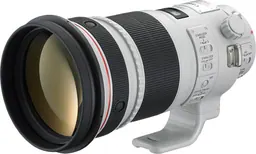
Canon EF 300mm f/2.8L IS II USM
300mm · f/2.8
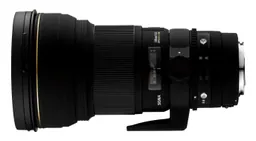
Sigma 300mm F2.8 APO EX DG HSM
300mm · f/2.8
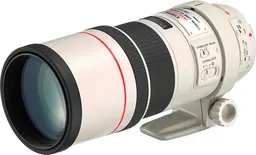
Canon EF 300mm f/4.0L IS USM
300mm · f/4
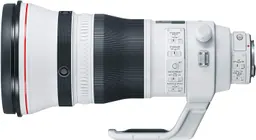
Canon EF 400mm F2.8L IS III USM
400mm · f/2.8
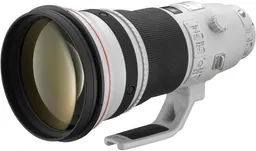
Canon EF 400mm f/2.8L IS II USM
400mm · f/2.8
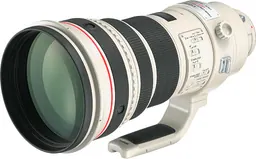
Canon EF 400mm f/2.8L IS USM
400mm · f/2.8
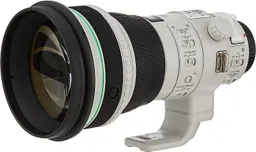
Canon EF 400mm F4 DO IS II USM
400mm · f/4
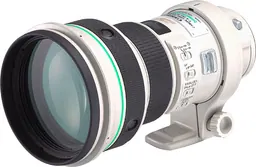
Canon EF 400mm f/4.0 DO IS USM
400mm · f/4
Related guides
What does the f mean in camera lenses?
When it comes to photography, understanding the basics of f-stop is essential. F-stop is a critical component of a camera lens that…
How to clean a camera lens
Keeping your camera lenses clean is essential for getting clear, sharp, and high-quality images. Even the smallest speck of dust, dirt, or…
All camera lens types explained: Uses and functions
In this article, we'll explore the various types of camera lenses, their defining features, and when to use them. We'll also cover the…