

Nikon Z (DX/FX) Autofocus OIS
Tamron 17-70mm F2.8 Di III-A VC RXD
- Focal length
- 17–70 mm
- Aperture
- f/2.8
- Weight
- 540 g
- Filter diameter
- 67 mm
- Min. focus distance
- 19 cm
- Length
- 121.3 mm
Overview
The Tamron 17–70mm F2.8 Di III-A VC RXD is an impressive lens designed specifically for Sony E-mount cameras. This versatile zoom lens offers a focal range that makes it ideal for a variety of photography styles, from landscapes to portraits. With a constant maximum aperture of f/2.8, it provides excellent low-light performance and depth-of-field control, allowing creatives to capture stunning images with beautiful bokeh.
One of the standout features of the Tamron 17–70mm is its Vibration Compensation (VC) system. This stabilization technology is particularly beneficial for handheld shooting, as it helps to minimize camera shake, resulting in sharper images at slower shutter speeds. This is especially advantageous for videographers looking for a reliable lens that can produce steady footage in dynamic shooting environments.
The build quality of this lens is impressive, with a robust yet lightweight design that balances well on Sony's mirrorless cameras. The lens incorporates weather-sealing, making it more resilient against dust and moisture, offering peace of mind for outdoor photography. The smooth and responsive autofocus ensures that you can quickly lock onto subjects, further enhancing its usability for both candid shots and planned compositions.
However, there are some aspects to consider. While the lens delivers great image quality overall, there can be a slight softening at the corners when shooting at wider apertures, particularly at 17mm. Additionally, due to the zoom range, it may exhibit some barrel distortion at the wide end that requires correction in post-processing for critical work.
Users have also noted that the lens can feel a tad bulky compared to prime lenses in similar focal ranges, which might be a consideration for those who prioritize portability. This weight and size can be more pronounced when used on smaller camera bodies.
Pros and Cons
Pros
- Versatile zoom range suitable for a variety of photography genres.
- Constant f/2.8 aperture allows for outstanding low-light performance.
- Vibration Compensation (VC) enhances stability for handheld shooting.
- Good build quality with weather-sealing for outdoor use.
- Fast and accurate autofocus system.
Cons
- Slight softening at the corners at wider apertures.
- Barrel distortion at the wide end requiring post-processing correction.
- Bulkier compared to some prime lenses, which may affect portability.
Verdict
Overall, the Tamron 17–70mm F2.8 Di III-A VC RXD is a strong contender for Sony E-mount users looking for a versatile and reliable lens. It combines excellent performance with solid construction, making it a great choice for enthusiasts and professionals alike. While it has its minor drawbacks, the benefits far outweigh them, making this lens an excellent addition to any photographer's toolkit.
Technical Specifications
- min focal length
- 17 mm
- max focal length
- 70 mm
- max f (min zoom)
- f/2.8
- max f (max zoom)
- f/2.8
- min. aperture
- f/22
- Elements
- 16
- Groups
- 12
- Weight
- 540 g (1.19 lb)
- Filter diameter
- 67 mm
- min focus distance
- 19 cm (7.48 in)
- Length
- 121.3 mm (4.78 in)
- Diameter
- 74.6 mm (2.94 in)
Which cameras does the Tamron 17-70mm F2.8 Di III-A VC RXD fit?
The Tamron 17-70mm F2.8 Di III-A VC RXD is designed for APS-C sensors. On APS-C Nikon Z cameras its field of view equals 26-105 mm in full-frame terms. Full-frame bodies use it in APS-C (crop) mode, recording only part of the sensor and fewer megapixels.
Nikon Z cameras
- Full frame (in APS-C mode):
- Nikon ZR, Nikon Z5II, Nikon Z6III, Nikon Z8, Nikon Zf, Nikon Z9, Nikon Z5, Nikon Z6II, Nikon Z7II, Nikon Z6, Nikon Z7
- APS-C:
- Nikon Z50II, Nikon Z30, Nikon Z fc, Nikon Z50
Tamron 17-70mm F2.8 Di III-A VC RXD compared
Key specs side by side with the most similar Nikon Z lenses.
| Lens | Tamron 17-70mm F2.8 Di III-A VC RXD | Nikon Nikkor Z DX 16-50mm F2.8 VR | Nikon Nikkor Z DX 16-50mm F3.5-6.3 VR | Nikon Nikkor Z 24-70mm F2.8 S |
|---|---|---|---|---|
| Focal length | 17-70 mm | 16-50 mm | 16-50 mm | 24-70 mm |
| Max. aperture | f/2.8 | f/2.8 | f/3.5-6.3 | f/2.8 |
| Weight | 540 g | 330 g | 135 g | 805 g |
| Filter diameter | 67 mm | 67 mm | 46 mm | 82 mm |
| Min. focus distance | 19 cm | 15 cm | 20 cm | 38 cm |
| Length | 121.3 mm | 88 mm | 32 mm | 126 mm |
| Autofocus | yes | yes | yes | yes |
| Image stabilization | yes | no | yes | no |
This lens is also available for
Tamron 17-70mm F2.8 Di III-A VC RXD: FAQ
Does the Tamron 17-70mm F2.8 Di III-A VC RXD have autofocus?
Yes, the Tamron 17-70mm F2.8 Di III-A VC RXD has autofocus.
Does the Tamron 17-70mm F2.8 Di III-A VC RXD have image stabilization?
Yes, the Tamron 17-70mm F2.8 Di III-A VC RXD has optical image stabilization.
How much does the Tamron 17-70mm F2.8 Di III-A VC RXD weigh?
The Tamron 17-70mm F2.8 Di III-A VC RXD weighs 540 g. It is 121.3 mm long with a diameter of 74.6 mm.
What filter size does the Tamron 17-70mm F2.8 Di III-A VC RXD use?
The Tamron 17-70mm F2.8 Di III-A VC RXD takes 67 mm screw-in filters.
How close can the Tamron 17-70mm F2.8 Di III-A VC RXD focus?
The minimum focus distance of the Tamron 17-70mm F2.8 Di III-A VC RXD is 19 cm, measured from the sensor plane.
Is the Tamron 17-70mm F2.8 Di III-A VC RXD a full-frame lens?
No, the Tamron 17-70mm F2.8 Di III-A VC RXD is an APS-C lens. On APS-C cameras its field of view equals 26-105 mm in full-frame terms.
Similar lenses

Nikon Nikkor Z DX 16-50mm F2.8 VR
16-50mm · f/2.8
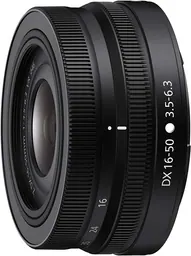
Nikon Nikkor Z DX 16-50mm F3.5-6.3 VR
16-50mm · f/3.5-6.3
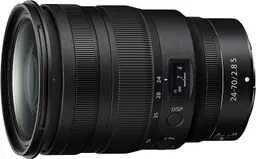
Nikon Nikkor Z 24-70mm F2.8 S
24-70mm · f/2.8

Nikon Nikkor Z 24-70mm F2.8 S II
24-70mm · f/2.8
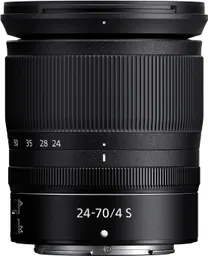
Nikon Nikkor Z 24-70mm F4 S
24-70mm · f/4
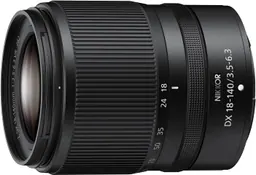
Nikon Nikkor Z DX 18-140mm f/3.5-6.3 VR
18-140mm · f/3.5-6.3
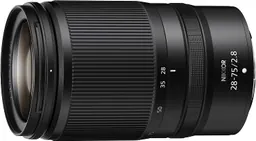
Nikon Nikkor Z 28-75mm F2.8
28-75mm · f/2.8
Tamron 28-75mm F/2.8 DI III VXD G2
28-75mm · f/2.8
Related guides
What does the f mean in camera lenses?
When it comes to photography, understanding the basics of f-stop is essential. F-stop is a critical component of a camera lens that…
How to clean a camera lens
Keeping your camera lenses clean is essential for getting clear, sharp, and high-quality images. Even the smallest speck of dust, dirt, or…
All camera lens types explained: Uses and functions
In this article, we'll explore the various types of camera lenses, their defining features, and when to use them. We'll also cover the…