
Sony Planar T* FE 50mm F1.4 ZA
Sony E
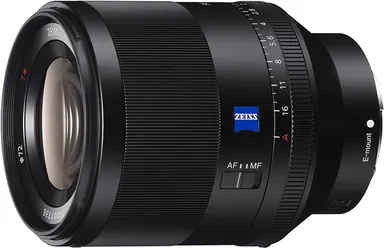
Overview
The Sony Planar T* FE 50mm F1.4 ZA is a prime lens designed for the Sony E mount system, catering to both professional and enthusiast photographers. With its fast f/1.4 aperture, this lens promises excellent performance in low-light conditions and precise control over depth of field.
Build and Design
The lens showcases a premium build quality that feels robust and well-constructed. The metal body provides durability, and its design is sleek, making it a visually appealing addition to any camera kit. The lens is also weather-sealed, offering peace of mind when shooting in challenging environments. The overall design includes a focus ring that is smooth and well-damped, giving photographers an enjoyable manual focusing experience.
Image Quality
One of the standout features of the Sony Planar T* FE 50mm F1.4 ZA is its image quality. The lens is sharp across the frame, even wide open at f/1.4, with minimal chromatic aberration and distortion. The T* coating helps to minimize flare and ghosting, ensuring that your images maintain contrast and clarity, even in backlit situations. The bokeh is creamy and pleasing, making it suitable for portrait work, while also producing attractive out-of-focus highlights.
Autofocus Performance
Autofocus performance is fast and reliable, thanks to its linear motor drive system. The lens locks onto subjects quickly and accurately, which is a great advantage for capturing spontaneous moments. However, in very low light, the autofocus can sometimes struggle, which is something to keep in mind if you frequently shoot in dimly lit environments.
Versatility
The 50mm focal length is often referred to as the “nifty fifty” for a reason. It is a versatile lens that can be used for a variety of photography styles including portraits, street photography, and general-purpose shooting. Its fast aperture allows for exceptional low-light performance and creative depth-of-field control, making it a valuable addition to any photographer's kit.
Pros and Cons
Pros
- Excellent image quality with sharpness throughout the frame
- Fast f/1.4 aperture for low-light shooting and shallow depth of field
- Durable and weather-sealed build
- Smooth and responsive autofocus performance
- Attractive bokeh
Cons
- Autofocus can struggle in very low light
- Higher price point compared to other 50mm options
- Slightly bulky compared to other similar lenses
Verdict
The Sony Planar T* FE 50mm F1.4 ZA stands out as an exceptional lens that combines outstanding image quality with a sophisticated build. Its versatility and low-light capabilities make it a solid choice for photographers seeking a reliable prime lens for a wide range of applications. While it comes at a premium price and has some minor drawbacks, the advantages it offers in terms of performance and image quality make it a worthy investment for any serious Sony E mount user.
Technical Specifications
Which cameras does the Sony Planar T* FE 50mm F1.4 ZA fit?
The Sony Planar T* FE 50mm F1.4 ZA is a full-frame lens for Sony E-Mount cameras. On full-frame bodies it uses the whole sensor; on APS-C Sony E-Mount cameras its field of view equals 75 mm in full-frame terms.
Sony E-Mount cameras
- Full frame:
- Sony A7R VI, Sony A7 V, Sony FX2, Sony A1 II, Sony A9 III, Sony A7C II, Sony A7CR, Sony ZV-E1, Sony A7R V, Sony A7 IV, Sony A1, Sony FX3, Sony A7S III, Sony A7C, Sony FX6, Sony A7R IV, Sony A9 II, Sony FX9, Sony A7 III, Sony A7R III, Sony A9, Sony A7R II, Sony A7S II, Sony A7 II, Sony A7S, Sony A7, Sony A7R
- APS-C:
- Sony ZV-E10 II, Sony A6700, Sony FX30, Sony ZV-E10, Sony A6600, Sony A6100, Sony A6400, Sony A6500, Sony A6300, Sony A6000, Sony A5100, Sony A5000, Sony A3000, Sony NEX-5T, Sony NEX-3N, Sony NEX-6, Sony NEX-5R, Sony NEX-F3
Sony Planar T* FE 50mm F1.4 ZA compared
Key specs side by side with the most similar Sony E-Mount lenses.
| Lens | Sony Planar T* FE 50mm F1.4 ZA | Samyang / Rokinon AF 50mm F1.4 FE | Sigma 50mm F1.4 DG DN Art | Sigma 50mm F1.4 DG HSM Art |
|---|---|---|---|---|
| Focal length | 50 mm | 50 mm | 50 mm | 50 mm |
| Max. aperture | f/1.4 | f/1.4 | f/1.4 | f/1.4 |
| Weight | 778 g | 585 g | 670 g | 815 g |
| Filter diameter | 72 mm | 67 mm | 72 mm | 77 mm |
| Min. focus distance | 45 cm | 45 cm | 45 cm | 40 cm |
| Length | 108 mm | 98 mm | 110 mm | 100 mm |
| Autofocus | yes | yes | yes | yes |
| Image stabilization | no | no | no | no |
Sony Planar T* FE 50mm F1.4 ZA: FAQ
Does the Sony Planar T* FE 50mm F1.4 ZA have autofocus?
Yes, the Sony Planar T* FE 50mm F1.4 ZA has autofocus.
Does the Sony Planar T* FE 50mm F1.4 ZA have image stabilization?
No, the Sony Planar T* FE 50mm F1.4 ZA has no stabilization of its own. On cameras with in-body image stabilization (IBIS) the image is still stabilized.
How much does the Sony Planar T* FE 50mm F1.4 ZA weigh?
The Sony Planar T* FE 50mm F1.4 ZA weighs 778 g. It is 108 mm long with a diameter of 84 mm.
What filter size does the Sony Planar T* FE 50mm F1.4 ZA use?
The Sony Planar T* FE 50mm F1.4 ZA takes 72 mm screw-in filters.
How close can the Sony Planar T* FE 50mm F1.4 ZA focus?
The minimum focus distance of the Sony Planar T* FE 50mm F1.4 ZA is 45 cm, measured from the sensor plane.
Is the Sony Planar T* FE 50mm F1.4 ZA a full-frame lens?
Yes, the Sony Planar T* FE 50mm F1.4 ZA covers full frame. On APS-C cameras its field of view equals 75 mm in full-frame terms.
Similar lenses
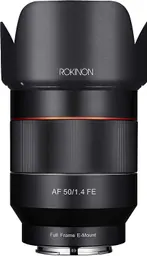
Samyang / Rokinon AF 50mm F1.4 FE
50mm · f/1.4
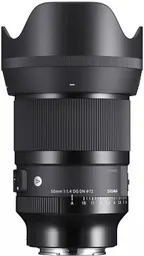
Sigma 50mm F1.4 DG DN Art
50mm · f/1.4
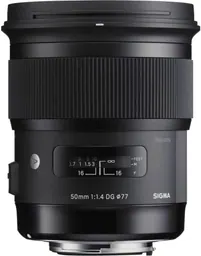
Sigma 50mm F1.4 DG HSM Art
50mm · f/1.4
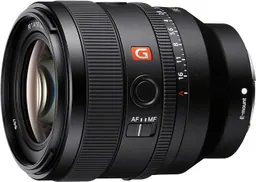
Sony FE 50mm F1.4 GM
50mm · f/1.4
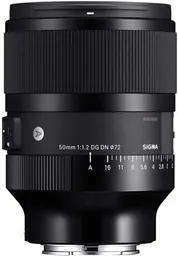
Sigma 50mm F1.2 DG DN | Art
50mm · f/1.2
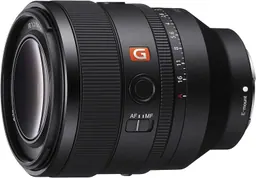
Sony FE 50mm F1.2 GM
50mm · f/1.2
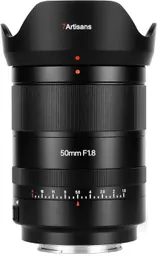
7Artisans AF 50mm F1.8
50mm · f/1.8
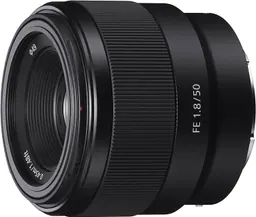
Sony FE 50mm F1.8
50mm · f/1.8
Related guides
What does the f mean in camera lenses?
When it comes to photography, understanding the basics of f-stop is essential. F-stop is a critical component of a camera lens that…
How to clean a camera lens
Keeping your camera lenses clean is essential for getting clear, sharp, and high-quality images. Even the smallest speck of dust, dirt, or…
All camera lens types explained: Uses and functions
In this article, we'll explore the various types of camera lenses, their defining features, and when to use them. We'll also cover the…