
Samyang MF 14mm F2.8 Mk2 / Rokinon MF 14mm F2.8 II
Canon EF-M
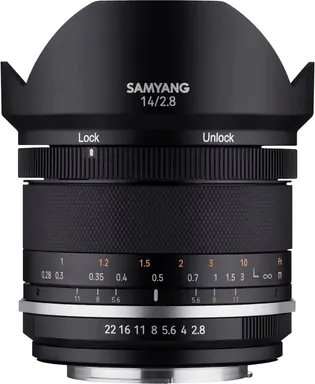
Review
The Samyang MF 14mm F2.8 Mk2, also known as Rokinon MF 14mm F2.8 II, is a wide-angle manual focus lens designed for the Canon EF-M mount. This lens is particularly attractive for photographers looking for an affordable entry into ultra-wide-angle photography, whether for landscapes, architecture, or astrophotography.
Build Quality and Design
The build quality of the Samyang MF 14mm F2.8 Mk2 is solid, featuring a robust metal housing that gives it a professional feel. Weighing around 1.5 lbs (approximately 600 grams), it strikes a balance between durability and portability. The lens has a matte black finish that reduces reflections and enhances its visual appeal. With a focal length of 14mm, this lens opens up a broadened perspective, perfect for capturing sweeping vistas.
Image Quality
One of the standout features of this lens is its image quality, producing sharp and contrast-rich images even at maximum aperture. It uses a combination of aspherical and extra-low dispersion glass elements, which significantly minimize chromatic aberration and ensure that images remain crisp from the center to the edges. However, it's worth noting that, like many ultra-wide-angle lenses, distortion can be a concern. While the lens manages distortion well, you might still encounter some barrel distortion that requires correction in post-processing.
Manual Focus Experience
As a manual focus lens, the Samyang MF 14mm F2.8 Mk2 can be both an asset and a challenge. The focusing ring is smooth and well-damped, allowing for precise adjustments—ideal for creative photographers who enjoy manual control. However, for those used to autofocus, the transition to manual focusing may pose a learning curve, particularly for capturing fleeting moments.
Versatile Aperture
The f/2.8 maximum aperture is fairly standard for a lens of this type and provides decent low-light performance. The wide aperture can create a pleasing depth of field for landscape and astrophotography, allowing you to capture star-filled skies or low-light environments effectively.
Compatibility
Although the lens is primarily designed for Canon EF-M mounts, it is also compatible with full-frame sensors when used in crop mode. This versatility makes it a flexible option for photographers looking to expand their lens collection across different camera systems.
Pros and Cons
Pros
- Excellent image sharpness and contrast.
- Solid build quality and design.
- Effective control of chromatic aberration and distortion.
- Wide angle perfect for landscapes and astrophotography.
- Smooth manual focus ring for precise adjustments.
Cons
- Manual focus might not appeal to everyone, particularly fast-action photographers.
- Some barrel distortion may require correction in post-processing.
- Limited maximum aperture compared to lenses with wider options.
Verdict
Overall, the Samyang MF 14mm F2.8 Mk2 / Rokinon MF 14mm F2.8 II is a well-crafted lens that offers solid performance, particularly in wide-angle photography. If you're comfortable with manual focus and are looking for an affordable ultra-wide-angle option for your Canon EF-M mount camera, this lens could be a great addition to your toolkit. However, potential buyers should weigh the trade-offs of manual focus and post-processing requirements against their shooting preferences.
Technical Specifications
This lens is also available for
Similar lenses
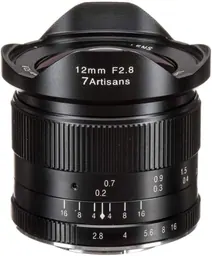
7artisans 12mm F2.8
12mm · f/2.8
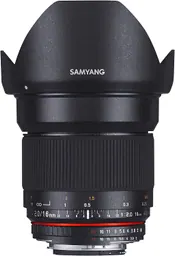
Samyang / Rokinon 16mm F2 ED AS UMC CS
16mm · f/2
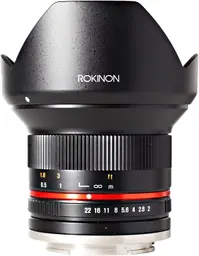
Samyang / Rokinon 12mm F2.0 NCS CS
12mm · f/2
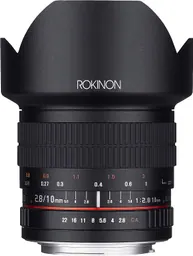
Samyang / Rokinon 10mm F2.8 ED AS NCS CS
10mm · f/2.8
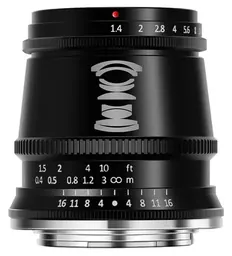
TTArtisan 17mm f/1.4
17mm · f/1.4
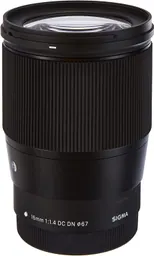
Sigma 16mm F1.4 DC DN | Contemporary
16mm · f/1.4

Venus Laowa 12-24mm f/5.6 Zoom Shift CF
12-24mm · f/5.6
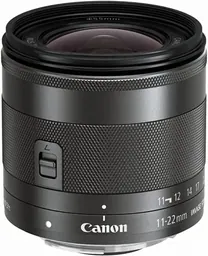
Canon EF-M 11-22mm f/4-5.6 IS STM
11-22mm · f/4-5.6
Related guides
What does the f mean in camera lenses?
When it comes to photography, understanding the basics of f-stop is essential. F-stop is a critical component of a camera lens that…
How to clean a camera lens
Keeping your camera lenses clean is essential for getting clear, sharp, and high-quality images. Even the smallest speck of dust, dirt, or…
All camera lens types explained: Uses and functions
In this article, we'll explore the various types of camera lenses, their defining features, and when to use them. We'll also cover the…