
Meyer-Optik Gorlitz Biotar 58mm f/1.5 II
Canon RF

Overview
The Meyer-Optik Gorlitz Biotar 58mm f/1.5 II is a fascinating lens that brings a classic aesthetic to the modern Canon RF mount. Known for its unique rendering capabilities, this lens attracts photographers interested in portraiture and creative photography that requires an artistic touch. The Biotar has a legacy of producing images with beautiful bokeh and character, which makes it a compelling choice for both enthusiasts and professionals who appreciate vintage optical designs.
Build Quality and Design
This lens stands out with its robust metal construction, offering a solid feel that assures durability. The focus ring is smooth and offers just the right amount of resistance, allowing for precise adjustments. The distinct, retro styling makes it a pleasure to use, and with a 58mm focal length, it's versatile enough for a range of shooting situations. Its compact size compared to other f/1.5 lenses makes it a great companion for on-the-go photographers.
Optics and Image Quality
Optically, the Biotar 58mm f/1.5 II is renowned for its sharpness, especially when stopped down. Wide open at f/1.5, it produces images with a dreamy flare, and while it may not be the sharpest option available at maximum aperture, it adds a desirable softness that enhances portrait images. The lens shines in creating a pleasing bokeh, with circular highlights that are a hallmark of vintage glass. However, it’s worth noting that the lens may exhibit some chromatic aberration and softness in the corners at wide open apertures, particularly on the full-frame sensor of the Canon RF.
Compatibility and Usage
Being native to the Canon RF mount, the lens is compatible with Canon’s mirrorless camera line-up. This compatibility means that you can take advantage of Canon's advanced autofocus systems when used with an adapter, although the lens itself is fully manual. It requires a bit of adjustment for those used to autofocus, as the focus scale can be imprecise for rapid adjustments. Nonetheless, the learning curve is well worth it for photographers seeking to infuse their work with character.
Pros and Cons
Pros
- Stunning bokeh and unique rendering.
- Robust, all-metal build quality.
- Smooth and precise manual focus control.
- Excellent for artistic portraiture and creative work.
Cons
- Softness at f/1.5 and noticeable chromatic aberration.
- Fully manual focus may not suit everyone.
- Limited sharpness in the corners at wide apertures.
Verdict
The Meyer-Optik Gorlitz Biotar 58mm f/1.5 II is an evocative lens that appeals to photographers looking for a unique look in their images. While it may not deliver the absolute sharpness or crisp performance across the board compared to modern lenses, its character and charm make it an irresistible choice for those willing to embrace its quirks. If you value artistic expression and vintage aesthetics in your work, this lens could be a fantastic addition to your Canon RF camera system.
Technical Specifications
Which cameras does the Meyer-Optik Gorlitz Biotar 58mm f/1.5 II fit?
The Meyer-Optik Gorlitz Biotar 58mm f/1.5 II is a full-frame lens for Canon RF cameras. On full-frame bodies it uses the whole sensor; on APS-C Canon RF cameras its field of view equals 93 mm in full-frame terms.
Canon RF cameras
- Full frame:
- Canon EOS R6 V, Canon EOS R6 Mark III, Canon EOS C50, Canon EOS R1, Canon EOS R5 Mark II, Canon EOS C400, Canon EOS C80, Canon EOS R8, Canon EOS R6 Mark II, Canon EOS R5 C, Canon EOS R3, Canon EOS R5, Canon EOS R6, Canon EOS Ra, Canon EOS RP, Canon EOS R
- APS-C:
- Canon EOS R50 V, Canon EOS R100, Canon EOS R50, Canon EOS R7, Canon EOS R10, Canon EOS C70
Meyer-Optik Gorlitz Biotar 58mm f/1.5 II compared
Key specs side by side with the most similar Canon RF lenses.
| Lens | Meyer-Optik Gorlitz Biotar 58mm f/1.5 II | Lensbaby Velvet 56mm f/1.6 | Meyer-Optik Gorlitz Primoplan 58mm f/1.9 II | Venus Laowa 58mm f/2.8 2X Ultra-Macro APO |
|---|---|---|---|---|
| Focal length | 58 mm | 56 mm | 58 mm | 58 mm |
| Max. aperture | f/1.5 | f/1.6 | f/1.9 | f/2.8 |
| Weight | 445 g | 400 g | 270 g | 595 g |
| Filter diameter | 52 mm | 62 mm | 52 mm | 67 mm |
| Min. focus distance | 70 cm | 13 cm | 60 cm | 19 cm |
| Length | 95 mm | 95 mm | 71 mm | 117 mm |
| Autofocus | no | no | no | no |
| Image stabilization | no | no | no | no |
This lens is also available for
Meyer-Optik Gorlitz Biotar 58mm f/1.5 II: FAQ
Does the Meyer-Optik Gorlitz Biotar 58mm f/1.5 II have autofocus?
No, the Meyer-Optik Gorlitz Biotar 58mm f/1.5 II has no autofocus; you focus it manually.
Does the Meyer-Optik Gorlitz Biotar 58mm f/1.5 II have image stabilization?
No, the Meyer-Optik Gorlitz Biotar 58mm f/1.5 II has no stabilization of its own. On cameras with in-body image stabilization (IBIS) the image is still stabilized.
How much does the Meyer-Optik Gorlitz Biotar 58mm f/1.5 II weigh?
The Meyer-Optik Gorlitz Biotar 58mm f/1.5 II weighs 445 g.
What filter size does the Meyer-Optik Gorlitz Biotar 58mm f/1.5 II use?
The Meyer-Optik Gorlitz Biotar 58mm f/1.5 II takes 52 mm screw-in filters.
How close can the Meyer-Optik Gorlitz Biotar 58mm f/1.5 II focus?
The minimum focus distance of the Meyer-Optik Gorlitz Biotar 58mm f/1.5 II is 70 cm, measured from the sensor plane.
Is the Meyer-Optik Gorlitz Biotar 58mm f/1.5 II a full-frame lens?
Yes, the Meyer-Optik Gorlitz Biotar 58mm f/1.5 II covers full frame. On APS-C cameras its field of view equals 93 mm in full-frame terms.
Similar lenses
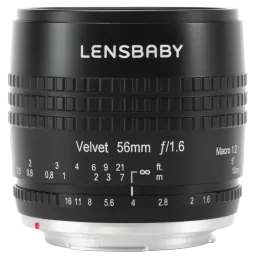
Lensbaby Velvet 56mm f/1.6
56mm · f/1.6
-
Meyer-Optik Gorlitz Primoplan 58mm f/1.9 II
58mm · f/1.9
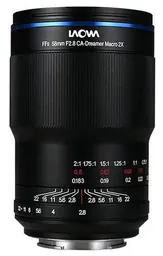
Venus Laowa 58mm f/2.8 2X Ultra-Macro APO
58mm · f/2.8
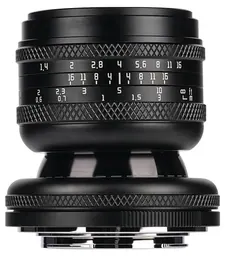
AstrHori 50mm f/1.4 Tilt
50mm · f/1.4
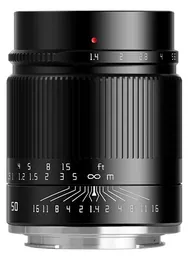
TTArtisan 50mm f/1.4 ASPH
50mm · f/1.4
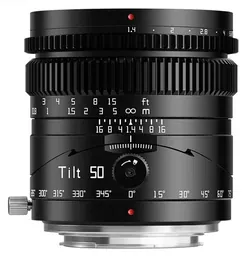
TTArtisan Tilt 50mm f/1.4
50mm · f/1.4
-
Venus Laowa 55mm F/2.8 TILT 1x Macro
55mm · f/2.8
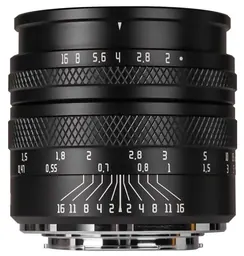
AstrHori 50mm f/2
50mm · f/2
Related guides
What does the f mean in camera lenses?
When it comes to photography, understanding the basics of f-stop is essential. F-stop is a critical component of a camera lens that…
How to clean a camera lens
Keeping your camera lenses clean is essential for getting clear, sharp, and high-quality images. Even the smallest speck of dust, dirt, or…
All camera lens types explained: Uses and functions
In this article, we'll explore the various types of camera lenses, their defining features, and when to use them. We'll also cover the…