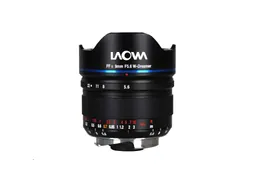
Venus Laowa 9mm F5.6 FF RL
- Focal length
- 9 mm
- Aperture
- f/5.6
- Weight
- 350 g
- Filter diameter
- –
- Diameter
- 62 mm
- min. focus dist.
- 12 cm

125 results




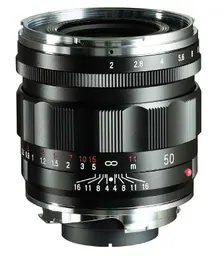


When it comes to photography, understanding the basics of f-stop is essential. F-stop is a critical component of a camera lens that…
Keeping your camera lenses clean is essential for getting clear, sharp, and high-quality images. Even the smallest speck of dust, dirt, or…
In this article, we'll explore the various types of camera lenses, their defining features, and when to use them. We'll also cover the…
The Leica M-Mount is one of the most iconic and enduring lens mount systems in photography history. Introduced in 1954 with the legendary Leica M3, it revolutionized camera design and became synonymous with precision, quality, and minimalism. Decades later, the M-Mount remains a symbol of craftsmanship and continues to inspire photographers worldwide.
The Leica M-Mount was specifically designed for rangefinder cameras and is renowned for its compact design and exceptional build quality. Key features include:
Leica lenses are world-famous for their exceptional optical quality and craftsmanship. M-Mount lenses are often handcrafted, delivering outstanding image quality with unique bokeh and remarkable contrast. Some of the most iconic lens series include:
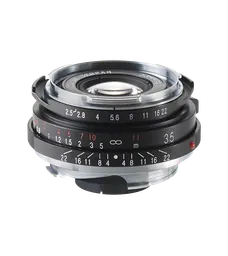
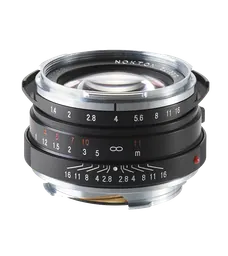
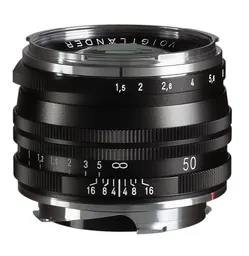
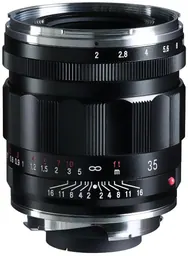
In addition to Leica’s own lineup, third-party manufacturers like Voigtländer, Zeiss, and 7Artisans also produce a wide range of M-Mount lenses, often providing more affordable alternatives.
With the release of the Leica M8 in 2006, the M-Mount transitioned seamlessly into the digital age. Digital Leica M cameras retain the minimalist and purist experience of rangefinder photography while incorporating modern technology.
The latest models, such as the Leica M11, set new standards in photography with high-resolution sensors and advanced features. This unique combination of classic design and cutting-edge technology makes Leica M cameras a favorite among professionals and enthusiasts alike.
The Leica M-Mount is more than just a lens mount—it’s a piece of photography history. From the golden age of film to the digital era, it has proven that quality, durability, and design never go out of style. For photographers who value precision and the tactile joy of manual control, the M-Mount remains a peerless choice.
No, M lenses are focused manually and, on rangefinder cameras, coupled to the rangefinder, so you focus by aligning two images in the viewfinder. Even the current Leica M11 is manual-focus only, with magnification and focus peaking as aids. A few adapters such as the Techart LM-EA9 for Sony E add autofocus by moving the lens with a motor.
Yes, because the M mount's 27.8 mm flange distance is longer than that of any mirrorless mount, so simple adapters are enough. You set focus and aperture manually, and on APS-C and Micro Four Thirds cameras the crop factor of about 1.5 or 2 applies. For L-Mount cameras, Leica offers the M-Adapter L.
6-bit coding is a pattern of black and white marks on the M-lens bayonet that digital Leica M cameras read to identify the lens. According to Leica, it helps the camera recognize the lens type and optimize image quality, and it puts the correct lens data into the image files. Uncoded lenses still work, you simply select them in the menu yourself, and Leica can retrofit coding to older lenses.
The viewfinder shows frame lines for 28, 35, 50, 75, 90 and 135 mm in pairs (28 + 90 mm, 35 + 135 mm, 50 + 75 mm) and switches automatically when you attach the lens. On the current M11 the rangefinder works from 70 cm to infinity. For focal lengths outside this range you typically use an external viewfinder or the rear display.
Yes. Cosina Voigtländer and Carl Zeiss (ZM lenses) have offered M-mount lenses for a long time, and brands such as 7Artisans and TTArtisan make them today. M-mount cameras have also come from Epson, Konica, Minolta, Ricoh, Rollei and Zeiss.