

Nikon Z (DX/FX) Autofocus OIS
Tamron 70-180mm F2.8 Di III VC VXD G2
- Focal length
- 70–180 mm
- Aperture
- f/2.8
- Weight
- 865 g
- Filter diameter
- 67 mm
- Min. focus distance
- 30 cm
- Length
- 158.7 mm
Overview
The Tamron 70-180mm F2.8 Di III VC VXD G2 is a versatile telephoto zoom lens designed for Sony E mount cameras. It brings a tantalizing combination of a fast f/2.8 aperture and a compact design, making it a solid choice for a variety of photography applications, from portraits to wildlife.
One of the standout features of this lens is its image stabilization (VC - Vibration Compensation), which is a welcome addition for handheld shooting, especially at the longer focal lengths. This stabilization system effectively minimizes camera shake, allowing you to capture sharp images even in low-light conditions or when shooting at slower shutter speeds. Moreover, the VXD (Voice-coil eXtreme-torque Drive) autofocus system provides quick and precise focusing, making it easier to track moving subjects.
The image quality is impressive throughout the zoom range. The lens produces sharp images with excellent contrast and color rendition. The creamy bokeh achieved with the 9-blade diaphragm adds a professional touch, making it particularly suitable for isolating subjects in portraiture. The lens also features a moisture-resistant construction, which is an advantage for outdoor shooting in challenging conditions.
However, while the lens is lightweight for its class, it's worth noting that it may not completely dispel the perception of bulkiness that often accompanies telephoto lenses. Additionally, the lack of a built-in tripod collar might be a drawback for some users who prefer to use tripods for stability when shooting at longer focal lengths.
Another consideration is that while the autofocus is generally fast and reliable, some users have reported it struggling in low-contrast situations. This might require a bit of patience when capturing subjects in challenging lighting conditions.
Pros and Cons
Pros
- Fast f/2.8 aperture throughout the zoom range.
- Excellent image stabilization (VC) for handheld shooting.
- Impressive sharpness and contrast.
- Beautiful bokeh for portraiture.
- Weather-sealed construction for outdoor use.
Cons
- Slightly bulky compared to other lenses in its category.
- No built-in tripod collar, which can be a drawback for long shoots.
- Autofocus may struggle in low-contrast lighting situations.
Verdict
Overall, the Tamron 70-180mm F2.8 Di III VC VXD G2 is an excellent lens that balances performance and portability. Its image stabilization, sharp image quality, and versatile zoom range make it a valuable addition to the toolkit of any Sony E mount shooter. While it may not be without its shortcomings, the positives significantly outweigh the negatives, making this lens a worthy consideration for enthusiasts and professionals alike.
Technical Specifications
- min focal length
- 70 mm
- max focal length
- 180 mm
- max f (min zoom)
- f/2.8
- max f (max zoom)
- f/2.8
- min. aperture
- f/22
- Elements
- 20
- Groups
- 15
- Weight
- 865 g (1.91 lb)
- Filter diameter
- 67 mm
- min focus distance
- 30 cm (11.81 in)
- Length
- 158.7 mm (6.25 in)
- Diameter
- 83 mm (3.27 in)
Which cameras does the Tamron 70-180mm F2.8 Di III VC VXD G2 fit?
The Tamron 70-180mm F2.8 Di III VC VXD G2 is a full-frame lens for Nikon Z cameras. On full-frame bodies it uses the whole sensor; on APS-C Nikon Z cameras its field of view equals 105-270 mm in full-frame terms.
Nikon Z cameras
- Full frame:
- Nikon ZR, Nikon Z5II, Nikon Z6III, Nikon Z8, Nikon Zf, Nikon Z9, Nikon Z5, Nikon Z6II, Nikon Z7II, Nikon Z6, Nikon Z7
- APS-C:
- Nikon Z50II, Nikon Z30, Nikon Z fc, Nikon Z50
Tamron 70-180mm F2.8 Di III VC VXD G2 compared
Key specs side by side with the most similar Nikon Z lenses.
| Lens | Tamron 70-180mm F2.8 Di III VC VXD G2 | Nikon Nikkor Z 70-180mm F2.8 | Nikon Nikkor Z 70-200mm F2.8 VR S | Nikon Nikkor Z 70-200mm F2.8 VR S II |
|---|---|---|---|---|
| Focal length | 70-180 mm | 70-180 mm | 70-200 mm | 70-200 mm |
| Max. aperture | f/2.8 | f/2.8 | f/2.8 | f/2.8 |
| Weight | 865 g | 795 g | 1,440 g | 998 g |
| Filter diameter | 67 mm | 67 mm | 77 mm | 77 mm |
| Min. focus distance | 30 cm | 27 cm | 50 cm | 38 cm |
| Length | 158.7 mm | 151 mm | 220 mm | 208 mm |
| Autofocus | yes | yes | yes | yes |
| Image stabilization | yes | no | yes | yes |
This lens is also available for
Tamron 70-180mm F2.8 Di III VC VXD G2: FAQ
Does the Tamron 70-180mm F2.8 Di III VC VXD G2 have autofocus?
Yes, the Tamron 70-180mm F2.8 Di III VC VXD G2 has autofocus.
Does the Tamron 70-180mm F2.8 Di III VC VXD G2 have image stabilization?
Yes, the Tamron 70-180mm F2.8 Di III VC VXD G2 has optical image stabilization.
How much does the Tamron 70-180mm F2.8 Di III VC VXD G2 weigh?
The Tamron 70-180mm F2.8 Di III VC VXD G2 weighs 865 g. It is 158.7 mm long with a diameter of 83 mm.
What filter size does the Tamron 70-180mm F2.8 Di III VC VXD G2 use?
The Tamron 70-180mm F2.8 Di III VC VXD G2 takes 67 mm screw-in filters.
How close can the Tamron 70-180mm F2.8 Di III VC VXD G2 focus?
The minimum focus distance of the Tamron 70-180mm F2.8 Di III VC VXD G2 is 30 cm, measured from the sensor plane.
Is the Tamron 70-180mm F2.8 Di III VC VXD G2 a full-frame lens?
Yes, the Tamron 70-180mm F2.8 Di III VC VXD G2 covers full frame. On APS-C cameras its field of view equals 105-270 mm in full-frame terms.
Similar lenses
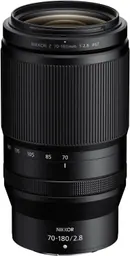
Nikon Nikkor Z 70-180mm F2.8
70-180mm · f/2.8
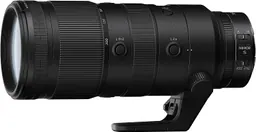
Nikon Nikkor Z 70-200mm F2.8 VR S
70-200mm · f/2.8

Nikon Nikkor Z 70-200mm F2.8 VR S II
70-200mm · f/2.8
Tamron 70-300mm F/4.5-6.3 DI III RXD
70-300mm · f/4.5-6.3
Tamron 35-150mm F/2-2.8 Di III VXD
35-150mm · f/2-2.8
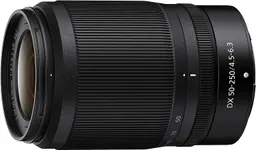
Nikon Nikkor Z DX 50-250mm F4.5-6.3 VR
50-250mm · f/4.5-6.3

Tamron 35-100mm F/2.8 Di III VXD
35-100mm · f/2.8
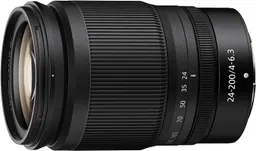
Nikon Nikkor Z 24-200mm F4-6.3 VR
24-200mm · f/4-6.3
Related guides
What does the f mean in camera lenses?
When it comes to photography, understanding the basics of f-stop is essential. F-stop is a critical component of a camera lens that…
How to clean a camera lens
Keeping your camera lenses clean is essential for getting clear, sharp, and high-quality images. Even the smallest speck of dust, dirt, or…
All camera lens types explained: Uses and functions
In this article, we'll explore the various types of camera lenses, their defining features, and when to use them. We'll also cover the…