
Canon RF 24-105mm F2.8 L IS USM Z
Canon RF
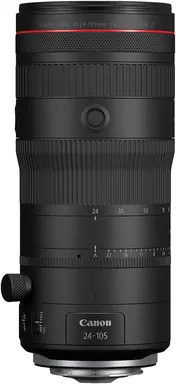
Overview
The Canon RF 24-105mm F2.8 L IS USM Z is a versatile standard zoom lens that has quickly established itself as a go-to option for photographers using Canon's RF mount system. With a constant maximum aperture of f/2.8 throughout its zoom range, this lens offers remarkable depth of field control and low-light performance, making it ideal for a variety of shooting scenarios, from landscape to portrait photography.
One of the standout features of this lens is its impressive image stabilization system. Canon has incorporated IS technology that compensates for camera shake by up to 5 stops, allowing users to shoot at slower shutter speeds without the risk of motion blur. This is particularly beneficial for handheld shooting or in dimly lit environments where tripods may not be an option.
The optical design of the RF 24-105mm F2.8 L is superb, featuring multiple elements including aspherical and ultra-low dispersion glass. This results in sharp images with minimal distortion and aberration throughout the zoom range. Photographers can expect vibrant colors and excellent contrast, making this lens a reliable choice for both professional and enthusiast-level work.
The build quality is another strong point of the RF 24-105mm. As part of Canon's L-series, it boasts a robust construction that is both weather-sealed and dust-resistant. This durability allows shooting in challenging environments without compromising the performance or longevity of the lens. Additionally, the lens features a customizable control ring that can be assigned to various settings, enhancing the user experience and providing quick access to critical adjustments.
However, despite its many advantages, the RF 24-105mm F2.8 L is not without some drawbacks. While it does perform admirably in most conditions, it can exhibit slight vignetting and a bit of barrel distortion at the extreme ends of its focal range, especially in wide apertures. Additionally, the lens is relatively heavy compared to other standard zooms, which might be a consideration for those who prioritize portability.
Pros and Cons
Pros
- Constant f/2.8 aperture across the zoom range
- Excellent image stabilization up to 5 stops
- Sharp optical performance with minimal distortions and aberrations
- Weather-sealed and durable construction
- Customizable control ring for user convenience
Cons
- Slight vignetting at wide apertures
- Noticeable barrel distortion at extreme focal lengths
- Heavier than some comparable standard zoom lenses
Verdict
The Canon RF 24-105mm F2.8 L IS USM Z is an outstanding lens for Canon RF mount users, delivering exceptional performance and versatility suitable for a wide array of photographic styles. While it may come with a few minor optical quirks and a hefty weight, these are easily overshadowed by its impressive build quality, superb image stabilization, and sharp optical characteristics. Whether you're a professional photographer or an enthusiastic hobbyist, this lens is well worth considering for your kit.
Technical Specifications
Which cameras does the Canon RF 24-105mm F2.8 L IS USM Z fit?
The Canon RF 24-105mm F2.8 L IS USM Z is a full-frame lens for Canon RF cameras. On full-frame bodies it uses the whole sensor; on APS-C Canon RF cameras its field of view equals 38-168 mm in full-frame terms.
Canon RF cameras
- Full frame:
- Canon EOS R6 V, Canon EOS R6 Mark III, Canon EOS C50, Canon EOS R1, Canon EOS R5 Mark II, Canon EOS C400, Canon EOS C80, Canon EOS R8, Canon EOS R6 Mark II, Canon EOS R5 C, Canon EOS R3, Canon EOS R5, Canon EOS R6, Canon EOS Ra, Canon EOS RP, Canon EOS R
- APS-C:
- Canon EOS R50 V, Canon EOS R100, Canon EOS R50, Canon EOS R7, Canon EOS R10, Canon EOS C70
Canon RF 24-105mm F2.8 L IS USM Z compared
Key specs side by side with the most similar Canon RF lenses.
| Lens | Canon RF 24-105mm F2.8 L IS USM Z | Canon RF 24-105mm F4.0-7.1 IS STM | Canon RF 24-105mm F4L IS USM | Canon RF 24-70mm F2.8L IS USM |
|---|---|---|---|---|
| Focal length | 24-105 mm | 24-105 mm | 24-105 mm | 24-70 mm |
| Max. aperture | f/2.8 | f/4-7.1 | f/4 | f/2.8 |
| Weight | 1,330 g | 395 g | 700 g | 900 g |
| Filter diameter | 82 mm | 67 mm | 77 mm | 82 mm |
| Min. focus distance | 45 cm | 13 cm | 45 cm | 21 cm |
| Length | 199 mm | 89 mm | 107 mm | 126 mm |
| Autofocus | yes | yes | yes | yes |
| Image stabilization | yes | yes | yes | yes |
Canon RF 24-105mm F2.8 L IS USM Z: FAQ
Does the Canon RF 24-105mm F2.8 L IS USM Z have autofocus?
Yes, the Canon RF 24-105mm F2.8 L IS USM Z has autofocus.
Does the Canon RF 24-105mm F2.8 L IS USM Z have image stabilization?
Yes, the Canon RF 24-105mm F2.8 L IS USM Z has optical image stabilization.
How much does the Canon RF 24-105mm F2.8 L IS USM Z weigh?
The Canon RF 24-105mm F2.8 L IS USM Z weighs 1,330 g. It is 199 mm long with a diameter of 89 mm.
What filter size does the Canon RF 24-105mm F2.8 L IS USM Z use?
The Canon RF 24-105mm F2.8 L IS USM Z takes 82 mm screw-in filters.
How close can the Canon RF 24-105mm F2.8 L IS USM Z focus?
The minimum focus distance of the Canon RF 24-105mm F2.8 L IS USM Z is 45 cm, measured from the sensor plane.
Is the Canon RF 24-105mm F2.8 L IS USM Z a full-frame lens?
Yes, the Canon RF 24-105mm F2.8 L IS USM Z covers full frame. On APS-C cameras its field of view equals 38-168 mm in full-frame terms.
Similar lenses
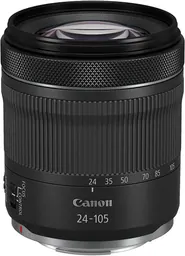
Canon RF 24-105mm F4.0-7.1 IS STM
24-105mm · f/4-7.1
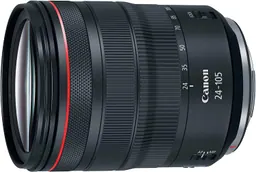
Canon RF 24-105mm F4L IS USM
24-105mm · f/4
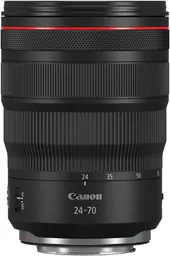
Canon RF 24-70mm F2.8L IS USM
24-70mm · f/2.8
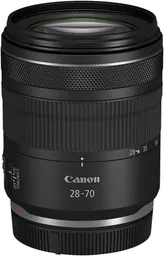
Canon RF 28-70mm F2.8 IS STM
28-70mm · f/2.8
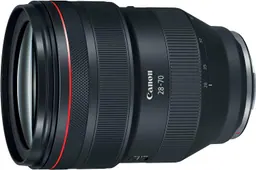
Canon RF 28-70mm F2L USM
28-70mm · f/2
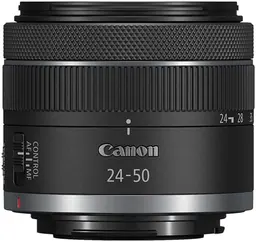
Canon RF 24-50mm F4.5-6.3 IS STM
24-50mm · f/4.5-6.3
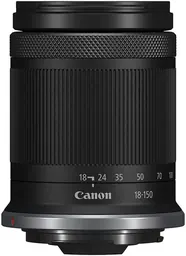
Canon RF-S 18-150mm F3.5-6.3 IS STM
18-150mm · f/3.5-6.3
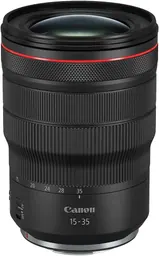
Canon RF 15-35mm F2.8L IS USM
15-35mm · f/2.8
Related guides
What does the f mean in camera lenses?
When it comes to photography, understanding the basics of f-stop is essential. F-stop is a critical component of a camera lens that…
How to clean a camera lens
Keeping your camera lenses clean is essential for getting clear, sharp, and high-quality images. Even the smallest speck of dust, dirt, or…
All camera lens types explained: Uses and functions
In this article, we'll explore the various types of camera lenses, their defining features, and when to use them. We'll also cover the…