
Meyer-Optik Gorlitz Lydith 30mm f/3.5 II
Nikon Z (DX/FX)

Overview
The Meyer-Optik Gorlitz Lydith 30mm f/3.5 II is a unique lens option for Nikon Z photographers looking to explore the realm of vintage-inspired optics. This lens combines a classic design with modern mount compatibility, offering a distinct artistic touch to your photography.
Design and Build Quality
The build quality of the Lydith 30mm f/3.5 II reflects its heritage; it features a metal housing that not only looks beautiful but also feels sturdy in hand. The compact design makes it an attractive choice for street and travel photographers who value portability. Weighing in at around 200 grams, it’s easy to carry without adding bulk to your gear bag. The manual focusing mechanism is smooth and precise, allowing for excellent control over focusing, particularly when working in close-up scenarios or achieving a shallow depth of field.
Optical Performance
In terms of optical performance, the Meyer-Optik Gorlitz Lydith 30mm f/3.5 II exhibits a charming vintage character. The lens produces images with delightful bokeh that would please anyone looking to capture artistic and creative shots. There is a moderate level of sharpness across the frame, particularly when stopped down to f/5.6 or f/8. However, at its maximum aperture of f/3.5, sharpness may not quite meet the modern standards expected from contemporary lenses, especially at the edges. Color rendition is generally pleasing, with warm tones that you would expect from a lens of this type.
Performance in Various Conditions
This lens isn’t overly reliant on perfect lighting, but it does have its limits. While it can produce great images in sufficiently lit environments, low-light performance can challenge its capabilities due to noticeable vignetting and potential for flare. However, for photographers who thrive in creative conditions and enjoy pushing the boundaries of their equipment, these characteristics can be seen as beneficial tools for adding mood and atmosphere to images.
Pros and Cons
Pros
- Excellent build quality with a vintage aesthetic
- Smooth manual focusing for precise control
- Attractive bokeh, making it ideal for artistic shots
- Compact and lightweight design
Cons
- Peak sharpness at maximum aperture is less than modern standards
- Performance may degrade in low-light and high-contrast conditions
- Manual focus may not be suitable for all photographers, especially in fast-paced environments
Verdict
Overall, the Meyer-Optik Gorlitz Lydith 30mm f/3.5 II for Nikon Z is a commendable choice for those leaning towards a retro aesthetic and creative shooting style. While it may not offer the ultimate sharpness and performance characteristic of high-end modern lenses, it compensates with charm and character that can inspire artistic photography. If you appreciate the unique qualities of vintage glass and are willing to embrace its quirks, this lens could be a delightful addition to your collection.
Technical Specifications
Which cameras does the Meyer-Optik Gorlitz Lydith 30mm f/3.5 II fit?
The Meyer-Optik Gorlitz Lydith 30mm f/3.5 II is a full-frame lens for Nikon Z cameras. On full-frame bodies it uses the whole sensor; on APS-C Nikon Z cameras its field of view equals 45 mm in full-frame terms.
Nikon Z cameras
- Full frame:
- Nikon ZR, Nikon Z5II, Nikon Z6III, Nikon Z8, Nikon Zf, Nikon Z9, Nikon Z5, Nikon Z6II, Nikon Z7II, Nikon Z6, Nikon Z7
- APS-C:
- Nikon Z50II, Nikon Z30, Nikon Z fc, Nikon Z50
Meyer-Optik Gorlitz Lydith 30mm f/3.5 II compared
Key specs side by side with the most similar Nikon Z lenses.
| Lens | Meyer-Optik Gorlitz Lydith 30mm f/3.5 II | Lensbaby Velvet 28mm f/2.5 | Mitakon Zhongyi Creator 28mm f/5.6 | Meyer-Optik Gorlitz Trioplan 35mm f/2.8 II |
|---|---|---|---|---|
| Focal length | 30 mm | 28 mm | 28 mm | 35 mm |
| Max. aperture | f/3.5 | f/2.5 | f/5.6 | f/2.8 |
| Weight | 270 g | 594 g | 130 g | 300 g |
| Filter diameter | 52 mm | 67 mm | 37 mm | 52 mm |
| Min. focus distance | 16 cm | 5 cm | 35 cm | 20 cm |
| Length | 71 mm | 89 mm | 44 mm | 78 mm |
| Autofocus | no | no | no | no |
| Image stabilization | no | no | no | no |
This lens is also available for
Meyer-Optik Gorlitz Lydith 30mm f/3.5 II: FAQ
Does the Meyer-Optik Gorlitz Lydith 30mm f/3.5 II have autofocus?
No, the Meyer-Optik Gorlitz Lydith 30mm f/3.5 II has no autofocus; you focus it manually.
Does the Meyer-Optik Gorlitz Lydith 30mm f/3.5 II have image stabilization?
No, the Meyer-Optik Gorlitz Lydith 30mm f/3.5 II has no stabilization of its own. On cameras with in-body image stabilization (IBIS) the image is still stabilized.
How much does the Meyer-Optik Gorlitz Lydith 30mm f/3.5 II weigh?
The Meyer-Optik Gorlitz Lydith 30mm f/3.5 II weighs 270 g.
What filter size does the Meyer-Optik Gorlitz Lydith 30mm f/3.5 II use?
The Meyer-Optik Gorlitz Lydith 30mm f/3.5 II takes 52 mm screw-in filters.
How close can the Meyer-Optik Gorlitz Lydith 30mm f/3.5 II focus?
The minimum focus distance of the Meyer-Optik Gorlitz Lydith 30mm f/3.5 II is 16 cm, measured from the sensor plane.
Is the Meyer-Optik Gorlitz Lydith 30mm f/3.5 II a full-frame lens?
Yes, the Meyer-Optik Gorlitz Lydith 30mm f/3.5 II covers full frame. On APS-C cameras its field of view equals 45 mm in full-frame terms.
Similar lenses
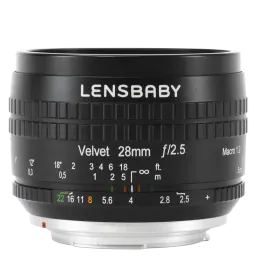
Lensbaby Velvet 28mm f/2.5
28mm · f/2.5
-
Mitakon Zhongyi Creator 28mm f/5.6
28mm · f/5.6
-
Meyer-Optik Gorlitz Trioplan 35mm f/2.8 II
35mm · f/2.8
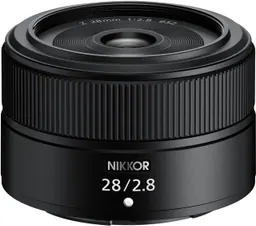
Nikon Nikkor Z 28mm F2.8
28mm · f/2.8
AstrHori 25mm f/2.8 2-5x Ultra Macro
25mm · f/2.8
Venus Laowa 25mm F2.8 2.5-5X Ultra Macro
25mm · f/2.8
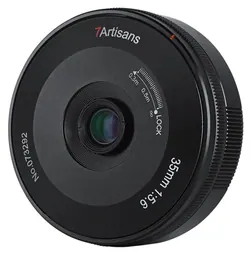
7artisans Photoelectric 35mm f/5.6 Pancake
35mm · f/5.6
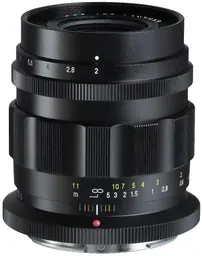
Voigtländer APO-Lanthar 35mm f/2.0
35mm · f/2
Related guides
What does the f mean in camera lenses?
When it comes to photography, understanding the basics of f-stop is essential. F-stop is a critical component of a camera lens that…
How to clean a camera lens
Keeping your camera lenses clean is essential for getting clear, sharp, and high-quality images. Even the smallest speck of dust, dirt, or…
All camera lens types explained: Uses and functions
In this article, we'll explore the various types of camera lenses, their defining features, and when to use them. We'll also cover the…