Last update: November 11, 2026
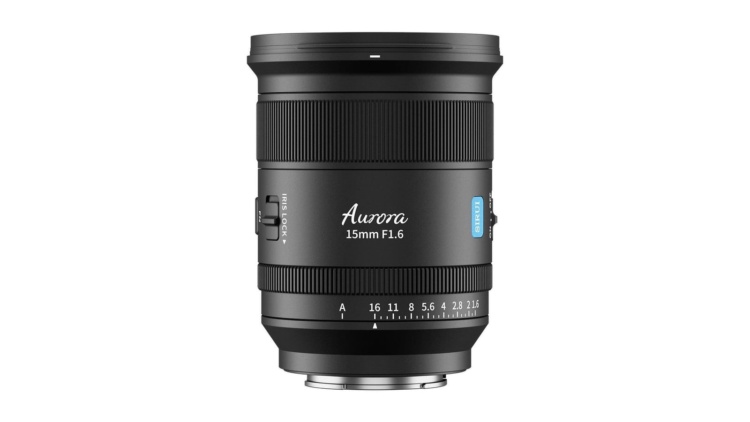
Sirui Aurora 15mm F1.6 and 24mm F1.4 announced from $499
Sirui adds a 15mm F1.6 and a 24mm F1.4 to its Aurora series for Sony E and L-Mount, priced at $599 and $499 on pre-order.

Last update: November 11, 2026
Sirui adds a 15mm F1.6 and a 24mm F1.4 to its Aurora series for Sony E and L-Mount, priced at $599 and $499 on pre-order.
Last update: November 5, 2026
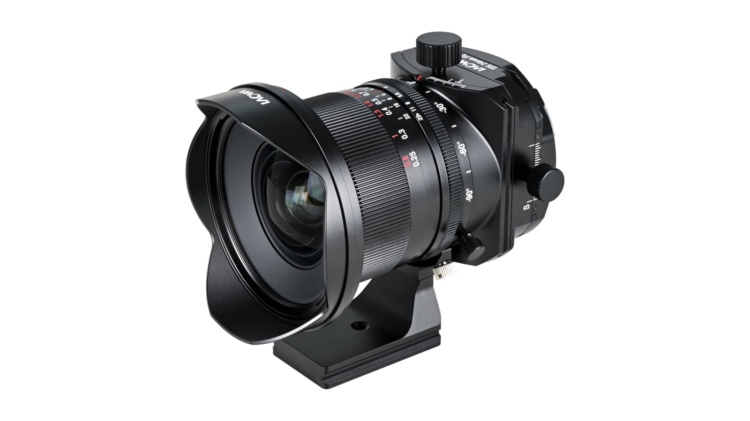
Laowa introduces a manual 24mm tilt-shift with an f/2 maximum aperture for Sony E, Nikon Z, Canon RF, L-Mount, GFX and XCD, priced at $1,249 in the US.
Last update: November 2, 2026
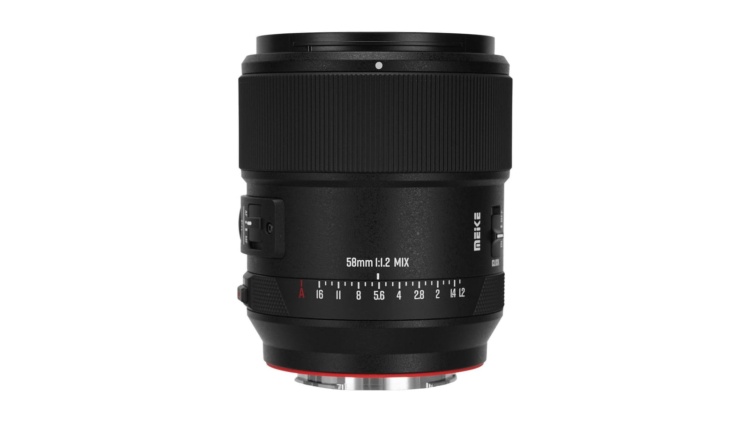
Meike offers the AF 58mm f/1.2 MIX as an APS-C autofocus lens for Sony E, Nikon Z and Fujifilm X; its US store lists it at $449.
Last update: October 29, 2026
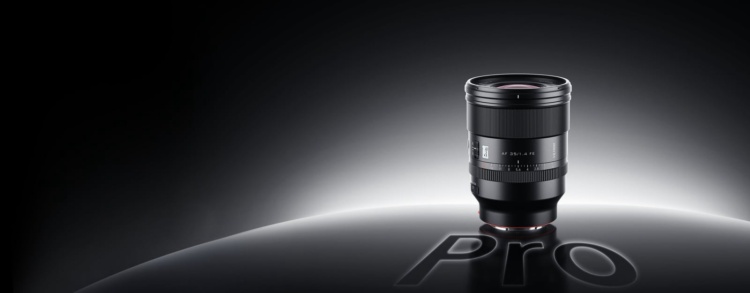
Viltrox announces the weather-sealed AF 35mm F1.4 Pro with voice coil autofocus for Sony E and Nikon Z, priced at $829 in the US.
Last update: October 29, 2026
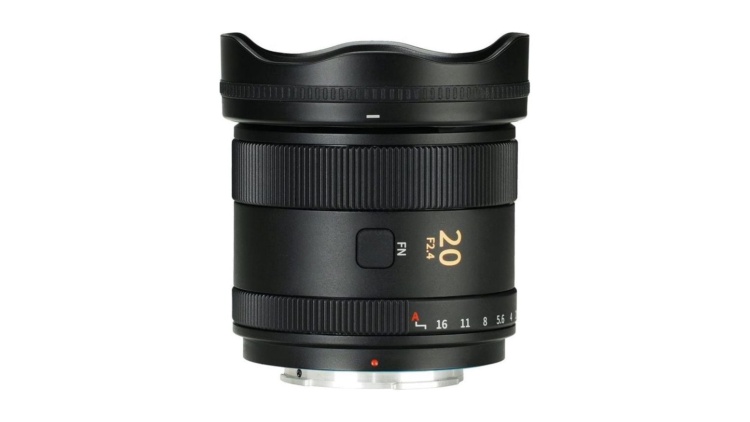
Sirui introduces two compact full-frame autofocus primes for Sony E, L-Mount and Fujifilm X, priced at $149 each in the US.
Last update: October 29, 2026
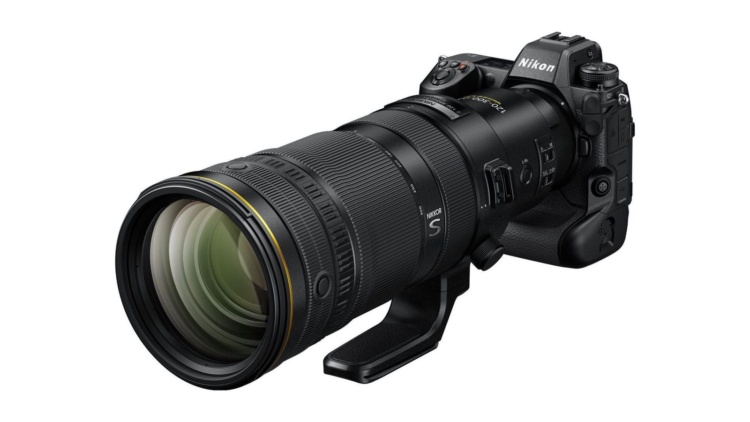
Nikon releases the Z 120-300mm f/2.8 with a built-in 1.4x teleconverter: $13,999.95 in the US, from €15,749 in Germany.
Last update: October 29, 2026
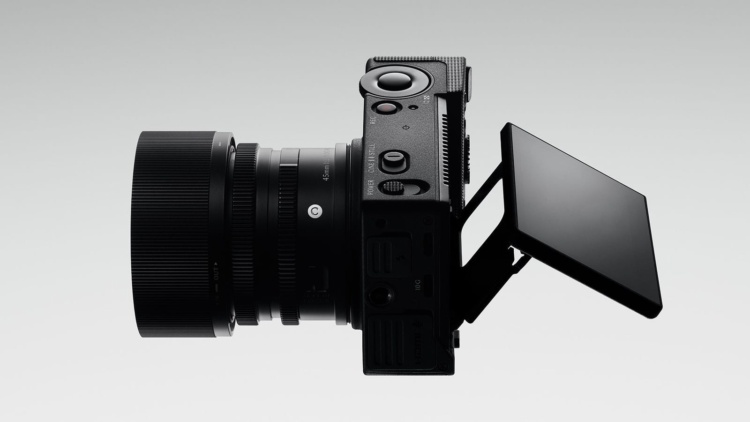
Sigma introduces the FP2 with L-mount, a 24.5-megapixel sensor and 6K OpenGate video. It launches on November 11, 2026.
Last update: October 29, 2026
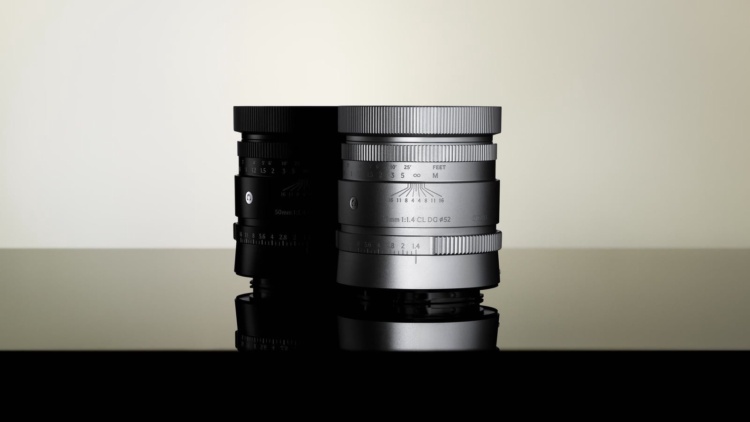
Sigma announces the 50mm F1.4 CL DG | Contemporary with a metal body and the new RDD autofocus for L-Mount and Sony E, due in early spring 2027.
Last update: October 29, 2026
Sigma brings its 16-300mm APS-C super-zoom to Nikon Z. It ships on November 5, 2026, for $769.
Last update: October 29, 2026
Sigma introduces a fast APS-C telephoto zoom for Sony E, Fujifilm X and Canon RF. It ships on October 22, 2026, for $799.

Last update: October 29, 2026
A fisheye lens covers about 180° by letting lines curve. Circular vs. diagonal, projections and field of view per sensor size, explained with data.
Last update: October 29, 2026
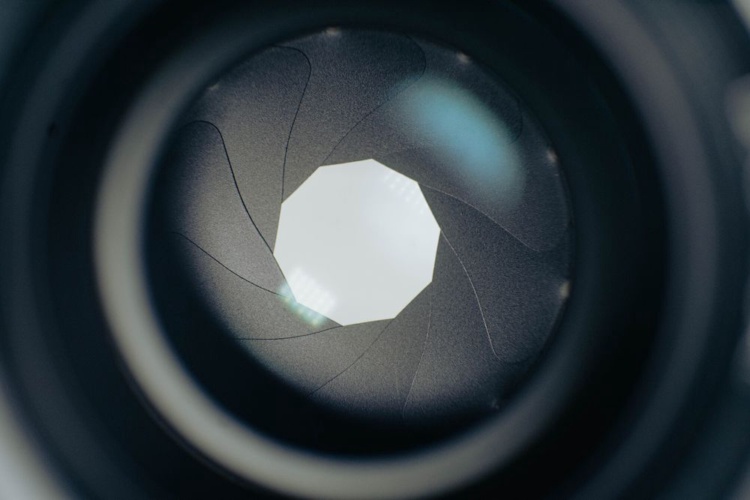
The f in f/2.8 is the f-number: focal length divided by aperture diameter. Learn why lower means more light and how the f-stop scale works.