

Nikon Z (DX/FX) Tamron Lenses Autofocus
Tamron 20-40mm F/2.8 Di III VXD
- Focal length
- 20–40 mm
- Aperture
- f/2.8
- Weight
- 380 g
- Filter diameter
- 67 mm
- Min. focus distance
- 17 cm
- Length
- 88.7 mm
Prices
Amazon.com
Currently not listed on Amazon.com
At a Glance
This full-frame standard zoom for Nikon Z covers 20-40 mm and keeps f/2.8 constant throughout, which allows short shutter times in low light. It focuses down to 17 cm at a magnification of 1:3.85 and weighs 380 g. Everyday shooting, travel and events are natural uses.
Good for
- Everyday
- Travel
- Events
Derived from the manufacturer data, not from our own tests. How we check
Technical Specifications
- Min. focal length
- 20 mm
- Max. focal length
- 40 mm
- Max. aperture (min. zoom)
- f/2.8
- Max. aperture (max. zoom)
- f/2.8
- Min. aperture
- f/22
- Elements
- 12
- Groups
- 11
- Weight
- 380 g (0.84 lb)
- Filter diameter
- 67 mm
- Min. focus distance
- 17 cm at 20 mm · 29 cm at 40 mm
- Max. magnification
- 1:3.8 at 20 mm · 1:5.1 at 40 mm
- Length
- 88.7 mm (3.49 in)
- Diameter
- 74.4 mm (2.93 in)
- Released
- October 2026
Manufacturer data: tamron.com, tamron.com, tamron-usa.com
Last checked: October 13, 2026 (against the manufacturer data) · How we check
Which cameras does the Tamron 20-40mm F/2.8 Di III VXD fit?
The Tamron 20-40mm F/2.8 Di III VXD is a full-frame lens for Nikon Z cameras. On full-frame bodies it uses the whole sensor; on APS-C Nikon Z cameras its field of view equals 30-60 mm in full-frame terms.
Nikon Z cameras
- Full frame:
- Nikon Z5IIC, Nikon ZR, Nikon Z5II, Nikon Z6III, Nikon Z8, Nikon Zf, Nikon Z9, Nikon Z5, Nikon Z6II, Nikon Z7II, Nikon Z6, Nikon Z7
- APS-C:
- Nikon Z50II, Nikon Z30, Nikon Z fc, Nikon Z50
Tamron 20-40mm F/2.8 Di III VXD compared
Key specs side by side with the most similar Nikon Z lenses.
| Lens | Tamron 20-40mm F/2.8 Di III VXD | Tamron 16-30mm F2.8 Di III VXD G2 | Nikkor Z 17-28mm F2.8 | Nikon Nikkor Z 24-50mm F4-6.3 |
|---|---|---|---|---|
| Focal length | 20-40 mm | 16-30 mm | 17-28 mm | 24-50 mm |
| Max. aperture | f/2.8 | f/2.8 | f/2.8 | f/4-6.3 |
| Weight | 380 g | 450 g | 450 g | 195 g |
| Filter diameter | 67 mm | 67 mm | 67 mm | 52 mm |
| Min. focus distance | 17 cm | 19 cm | 19 cm | 35 cm |
| Length | 88.7 mm | 103.9 mm | 101 mm | 51 mm |
| Autofocus | yes | yes | yes | yes |
| Image stabilization | no | no | no | no |
Open these lenses in the comparison and add more Compare the size of these lenses
This lens is also available for
Tamron 20-40mm F/2.8 Di III VXD: FAQ
Does the Tamron 20-40mm F/2.8 Di III VXD have autofocus?
Yes, the Tamron 20-40mm F/2.8 Di III VXD has autofocus.
Does the Tamron 20-40mm F/2.8 Di III VXD have image stabilization?
No, the Tamron 20-40mm F/2.8 Di III VXD has no stabilization of its own. On cameras with in-body image stabilization (IBIS) the image is still stabilized.
How much does the Tamron 20-40mm F/2.8 Di III VXD weigh?
The Tamron 20-40mm F/2.8 Di III VXD weighs 380 g. It is 88.7 mm long with a diameter of 74.4 mm.
What filter size does the Tamron 20-40mm F/2.8 Di III VXD use?
The Tamron 20-40mm F/2.8 Di III VXD takes 67 mm screw-in filters.
How close can the Tamron 20-40mm F/2.8 Di III VXD focus?
The minimum focus distance of the Tamron 20-40mm F/2.8 Di III VXD is 17 cm, measured from the sensor plane.
Is the Tamron 20-40mm F/2.8 Di III VXD a full-frame lens?
Yes, the Tamron 20-40mm F/2.8 Di III VXD covers full frame. On APS-C cameras its field of view equals 30-60 mm in full-frame terms.
News about this lens
Similar lenses
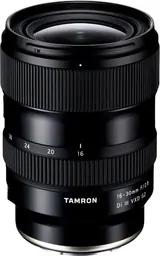
Tamron 16-30mm F2.8 Di III VXD G2
16-30mm · f/2.8
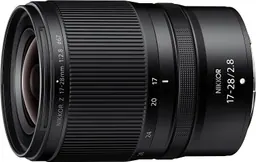
Nikkor Z 17-28mm F2.8
17-28mm · f/2.8
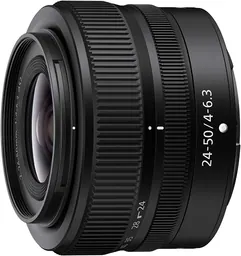
Nikon Nikkor Z 24-50mm F4-6.3
24-50mm · f/4-6.3
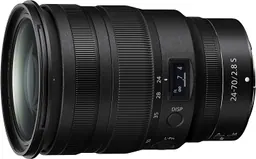
Nikon Nikkor Z 24-70mm F2.8 S
24-70mm · f/2.8
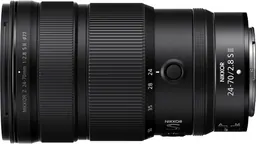
Nikon Nikkor Z 24-70mm F2.8 S II
24-70mm · f/2.8
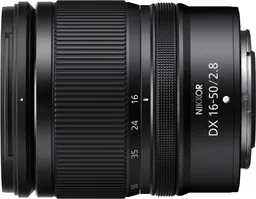
Nikon Nikkor Z DX 16-50mm F2.8 VR
16-50mm · f/2.8
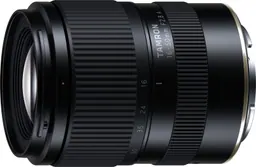
Tamron 16-50mm F2.8 A
16-50mm · f/2.8
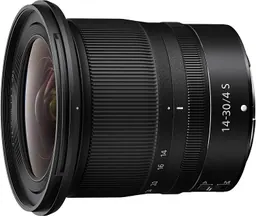
Nikon Nikkor Z 14-30mm F4 S
14-30mm · f/4
Related guides
What does the f mean in camera lenses? f/2.8 explained
The f in f/2.8 is the f-number: focal length divided by aperture diameter. Learn why lower means more light and how the f-stop scale works.
How to clean a camera lens safely, step by step
How to clean a camera lens: blow off dust, then wipe gently with a microfiber cloth or lens paper. Steps and warnings from Canon, Nikon…
Types of Camera Lenses Explained: Uses and Differences
Types of camera lenses explained: wide-angle, standard, telephoto, prime, zoom, macro and more, with focal length ranges and typical uses.